



Tattoo Removal Prices in London: What £750 Fixed Covers

Tattoo Removal Prices in London: What £750 Fixed Covers
Content of this Paper
↑
A £750 fixed price covers laser removal of a tattoo up to 5 cm²: every session over two years, the pre-treatment scan, doctor-delivered treatment and a refund if the ink does not clear. Per-session pricing is open-ended: one NHS laser clinic charges a £120 consultation plus sessions from £70 and quotes 10 to 12 sessions for professional tattoos (April 2025).
Those two models are the whole pricing question: a price you know before you start, or a per-visit rate multiplied by a number nobody can promise. Below: what sits inside a fixed package, what a per-session quote leaves out, and where the two cross over by tattoo size.
Book a free consultation at the Institute of Medical Physics in Kings Cross, in clinic or over Zoom, or call 0208 135 6968 for a fixed quote on your tattoo.
Key Takeaways
- £750 buys a finished result, not a number of visits: complete removal of a tattoo up to 5 cm², every session over two years (up to 24), a sub-dermal scan before the first pulse, a doctor at each visit, and a refund plus £1,000 if the ink has not cleared inside the window.
- Per-session pricing is a rate multiplied by a number nobody can promise. NHS trust lists show how it stacks: a £120 consultation, sessions from £70, a £55 test patch and £20 numbing per visit turn one 11-session course into £1,165 over roughly 18 months.
- The crossover sits at the ninth to eleventh visit. From 6 cm² upward, a fixed price undercuts published NHS per-session rates once numbing is added; only the smallest tattoos that clear quickly without anaesthetic stay cheaper per visit.
- Price bands scale by area, not by colour or layering. Larger tattoos run from £1,150 for 50 cm² up to £3,080 for 500 cm², and a multi-colour or cover-up piece sits in the same band because unlimited sessions absorb the extra wavelengths and visits.
- Paying monthly costs 27% to 44% more than paying upfront: the XS package is £750 once or £1,080 over six months, and the gap widens to £670 on the L band. Instalments still beat an open-ended course above 5 cm², but paying once keeps the difference.
- A fixed price is safe to pay upfront when three things check out: the borough's special treatment licence for the laser premises, the treating doctor's GMC number on the public register, and an in-house plan for pigment change or blistering rather than a referral elsewhere at your cost.
What does £750 fixed tattoo removal actually cover?
£750 covers complete removal of a tattoo up to 5 cm² (about 2 cm by 2 cm) with no per-session charges, inside a two-year treatment window. That figure includes seven things a per-visit quote itemises separately or leaves out:
- A free doctor consultation, in person or by video, with a written quote before you commit.
- A sub-dermal imaging scan before the first session, mapping ink depth, density and old scarring before any laser is fired.
- Every session you need within two years (up to 24 monthly visits), around four weeks apart.
- A doctor delivering treatment at every visit, not a therapist or technician.
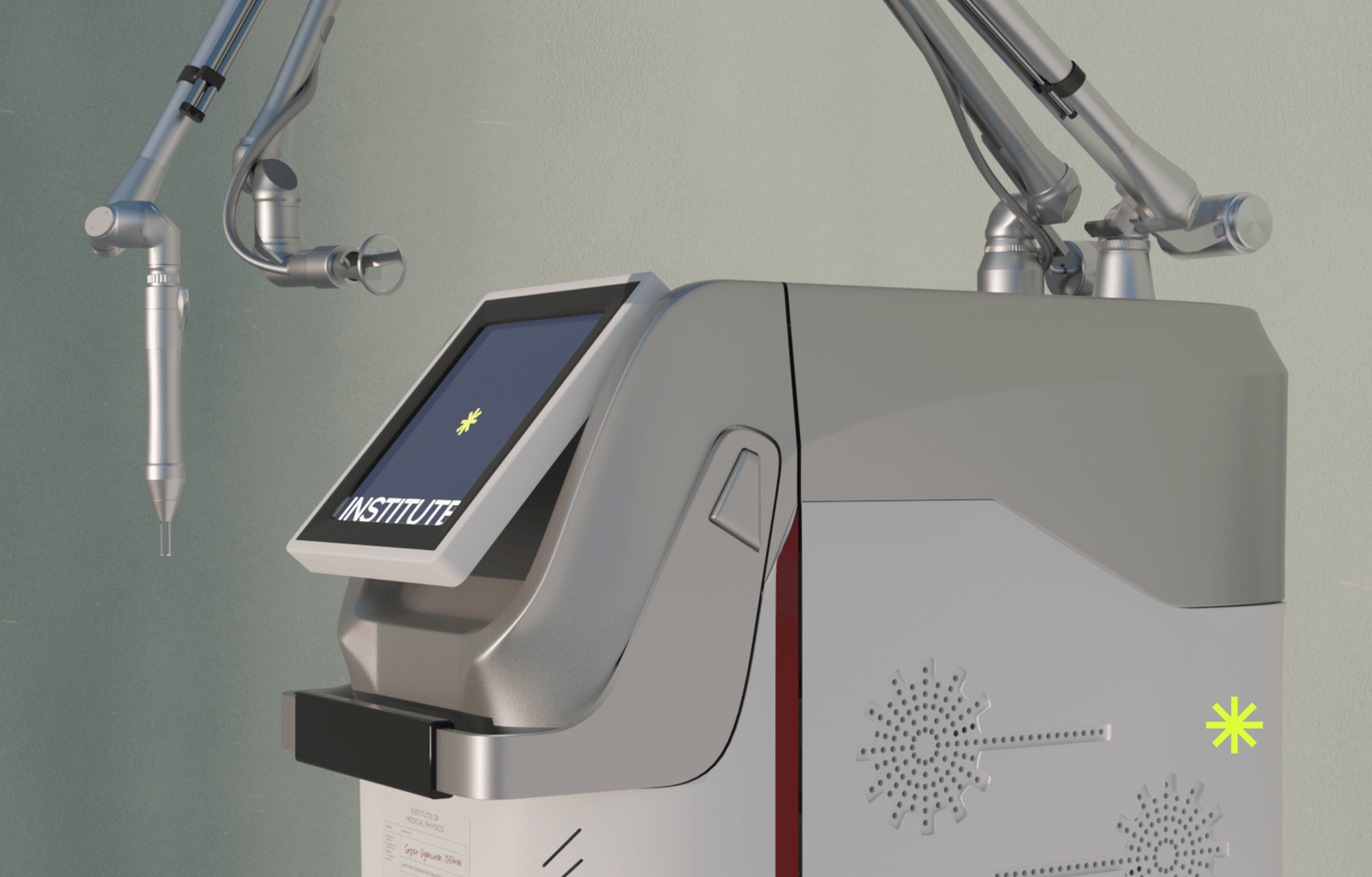
- All eight Phantom™ laser systems and nine wavelengths, so every ink colour, including green and blue, sits at the same price.
- Direct doctor access between sessions if anything concerns you.
- A refund of the full price, plus £1,000, if your tattoo has not cleared within the treatment window.
Prescription-strength numbing is available on site; ask at consultation how your plan handles it.
Larger tattoos scale by area, not by visit: £1,150 for up to 50 cm², £1,650 for 100 cm², £2,050 for 200 cm², £2,670 for 350 cm², £3,080 for 500 cm² and from £3,500 beyond that, as listed in our current tattoo removal price bands.
How much is it to get a tattoo removed per session in London, and what gets added on top?
The real cost of tattoo removal in London per session runs about £50 to £150 a visit for a small tattoo and £250 to £450 for a large one, before the consultation fee, test patch, numbing and extra sessions that decide the total (SalonSearcher, July 2026).
Published NHS trust price lists show how those extras stack. North Bristol NHS Trust's laser centre charges £120 for the doctor consultation, then from £70 per session, spaces treatments at least eight weeks apart and quotes 10 to 12 sessions for a professional tattoo (April 2025). Salisbury NHS Foundation Trust's list (May 2024) adds £55 for a test patch and £20 per visit for topical anaesthetic.
Combine the two lists into one model course for a professional tattoo: £120 plus 11 sessions at £70, a £55 test patch and £220 of numbing come to £1,165 over about 18 months at eight-week gaps. None of it is hidden; it is what "from £70 a session" becomes over a full course.
The per-visit rate also tracks the machine: the same survey notes a picosecond laser with an experienced practitioner costs more per session than an older Q-switched salon unit, so the cheapest visit is often the slowest laser.
Fixed price or per session: which is cheaper for your tattoo?
Fixed pricing is cheaper once a course passes nine to eleven sessions, exactly where NHS trusts place professional tattoos, and it caps your cost at every session count; per-session pricing only wins on the smallest tattoos that clear quickly without numbing. The table uses an NHS trust's published per-session rates (May 2024), below most London private clinics.
Fixed versus per session: where the crossover sits
Read the smallest row as it stands: a low per-session rate can undercut £750 on a 2cm tattoo even across twelve visits, provided you skip numbing and finish inside the quote. The fixed price wins from 6 cm² upward by the ninth to eleventh visit, and on the smallest tattoos the moment a numbing or a thirteenth session appears.
Two costs never show in a per-session column. Time: eight-week gaps turn eleven sessions into a year and a half, against four-week gaps and four to eight sessions here. Risk: if yours needs twenty visits, per-session pricing doubles while a fixed price stays at £750.
Is paying monthly for tattoo removal cheaper than paying upfront?
No, paying monthly costs 27% to 44% more than paying upfront at our clinic, because instalments are charged at full list price: the XS package is £750 upfront or £180 a month for six months (£1,080), so instalments cost £330 more.
The gap grows with size. S is £1,150 upfront or £1,500 over six months; M is £1,650 or £2,100; L is £2,050 or £2,720 over eight months. [REVIEW: instalment figures are from the treatments page; confirm the terms still apply.]
Installments still beat an open-ended per-session course above 5 cm², but paying once keeps the £330 to £670. For an estimate before you call, our tattoo removal cost calculator works from your measurements.
How do you know a fixed price is safe to pay upfront?
A fixed price is safe to pay upfront when the clinic can show three things: who holds the licence for the laser, who holds the GMC number, and what happens if your skin reacts.
First, the licence. England has no national licence for laser tattoo removal yet: the government confirmed in a written parliamentary answer (question tabled 27 November 2025) that a local-authority licensing scheme for practitioners and premises is coming under the Health and Care Act 2022. Until it arrives, London boroughs license laser premises under the London Local Authorities Act 1991, so ask to see the special treatment licence.
Second, the doctor. A GMC number takes a minute to check on the GMC register; Dr Saif Chatoo's (GMC 8010191) is printed on our treatment page.
Third, the reaction plan. Pigment change and blistering are known risks of any laser removal, and a clinic that cannot treat them in-house will send you elsewhere at your cost. Results vary by tattoo and skin type, so treat every quote, including ours, as a plan to be confirmed at a medical consultation. For the clinical side of removal, from wavelengths to aftercare, read our doctors' complete guide to safe laser removal in London.
Why does the Institute of Medical Physics charge one price instead of per session?
At the Institute of Medical Physics we charge one price because the alternative pays a clinic more the longer your removal takes, and we would rather be paid to finish. Our doctors clear most tattoos in four to eight sessions at four-week intervals, so a fixed fee works for us and is predictable for you.
The price buys the same team on every visit: the same doctor each session, the Phantom™ system built in our San Marino laboratory, and more than 5,000 completed removals behind the protocol, including patients who stalled after ten or more sessions elsewhere and Fitzpatrick IV to VI skin that other clinics turn away.
We are at 199 Kings Cross Road, London WC1X 9DB, three minutes from King's Cross St Pancras, open Monday to Sunday. Consultations are free, in clinic or over Zoom: book online, call 0208 135 6968 or WhatsApp 07874 496 371.
So what does £750 buy you in London tattoo removal?
£750 buys a finished result on a tattoo up to 5 cm², not a number of visits: every session for two years, a doctor at each one, a scan before the first, and a refund if the ink has not cleared inside the window. Per-session pricing buys one visit at a time, and every extra visit is yours to pay.
If you want the number before you start, book a free consultation at the Institute of Medical Physics, 199 Kings Cross Road, London WC1X 9DB, call 0208 135 6968 or email hello@medicalphysics.institute.
This page is general information, not medical advice. Suitability, session numbers and outcomes vary and are confirmed at consultation with a doctor.
Frequently Asked Questions
Does the fixed price go up if my tattoo is colourful or a cover-up?
No. Our price bands are set by the area of ink in cm², not by colour or layering. A multi-colour or covered-up tattoo needs more sessions and more wavelengths, and both sit inside the same fixed fee because sessions are unlimited within the two-year window. Colour changes the timeline, not the price band.
How is tattoo size measured for a fixed-price quote?
Tattoo size is measured as the area of inked skin in square centimetres: width multiplied by height. A 2cm by 2cm initial is 4cm² and fits the £750 band; a 10cm by 4cm forearm piece is 40cm² and falls in the next band. We measure at the free consultation, so the quote you receive is the price you pay.
Can I pay less by removing only part of a tattoo?
Yes. Partial removal is priced on the area we treat, not the whole design, so lightening one name inside a larger piece or clearing a section before a cover-up costs less than full removal. Each is measured in cm² at consultation and given a fixed price of its own.
Can cosmetic tattoos like brows or lip liner get a fixed price?
Yes. Cosmetic pigment is priced by area, so a brow pair is quoted on its measured cm² at consultation. A doctor's assessment comes first because some cosmetic inks contain iron oxide and can darken under the wrong wavelength, which is why we scan and test before treating the face. Read our guide to removing microblading and permanent make-up.
What should a written fixed-price agreement include?
A written fixed-price agreement should state the measured area in cm², the start and end dates of the treatment window, the maximum interval between sessions, who delivers treatment, and the exact condition that triggers a refund. Keep your dated photos with it; they are the evidence a refund clause depends on.

Tattoo Removal Prices in London: What £750 Fixed Covers
.svg)

A £750 fixed price covers laser removal of a tattoo up to 5 cm²: every session over two years, the pre-treatment scan, doctor-delivered treatment and a refund if the ink does not clear. Per-session pricing is open-ended: one NHS laser clinic charges a £120 consultation plus sessions from £70 and quotes 10 to 12 sessions for professional tattoos (April 2025).
Those two models are the whole pricing question: a price you know before you start, or a per-visit rate multiplied by a number nobody can promise. Below: what sits inside a fixed package, what a per-session quote leaves out, and where the two cross over by tattoo size.
Book a free consultation at the Institute of Medical Physics in Kings Cross, in clinic or over Zoom, or call 0208 135 6968 for a fixed quote on your tattoo.

Key Takeaways
- £750 buys a finished result, not a number of visits: complete removal of a tattoo up to 5 cm², every session over two years (up to 24), a sub-dermal scan before the first pulse, a doctor at each visit, and a refund plus £1,000 if the ink has not cleared inside the window.
- Per-session pricing is a rate multiplied by a number nobody can promise. NHS trust lists show how it stacks: a £120 consultation, sessions from £70, a £55 test patch and £20 numbing per visit turn one 11-session course into £1,165 over roughly 18 months.
- The crossover sits at the ninth to eleventh visit. From 6 cm² upward, a fixed price undercuts published NHS per-session rates once numbing is added; only the smallest tattoos that clear quickly without anaesthetic stay cheaper per visit.
- Price bands scale by area, not by colour or layering. Larger tattoos run from £1,150 for 50 cm² up to £3,080 for 500 cm², and a multi-colour or cover-up piece sits in the same band because unlimited sessions absorb the extra wavelengths and visits.
- Paying monthly costs 27% to 44% more than paying upfront: the XS package is £750 once or £1,080 over six months, and the gap widens to £670 on the L band. Instalments still beat an open-ended course above 5 cm², but paying once keeps the difference.
- A fixed price is safe to pay upfront when three things check out: the borough's special treatment licence for the laser premises, the treating doctor's GMC number on the public register, and an in-house plan for pigment change or blistering rather than a referral elsewhere at your cost.
What does £750 fixed tattoo removal actually cover?
£750 covers complete removal of a tattoo up to 5 cm² (about 2 cm by 2 cm) with no per-session charges, inside a two-year treatment window. That figure includes seven things a per-visit quote itemises separately or leaves out:
- A free doctor consultation, in person or by video, with a written quote before you commit.
- A sub-dermal imaging scan before the first session, mapping ink depth, density and old scarring before any laser is fired.
- Every session you need within two years (up to 24 monthly visits), around four weeks apart.
- A doctor delivering treatment at every visit, not a therapist or technician.
- All eight Phantom™ laser systems and nine wavelengths, so every ink colour, including green and blue, sits at the same price.
- Direct doctor access between sessions if anything concerns you.
- A refund of the full price, plus £1,000, if your tattoo has not cleared within the treatment window.
Prescription-strength numbing is available on site; ask at consultation how your plan handles it.
Larger tattoos scale by area, not by visit: £1,150 for up to 50 cm², £1,650 for 100 cm², £2,050 for 200 cm², £2,670 for 350 cm², £3,080 for 500 cm² and from £3,500 beyond that, as listed in our current tattoo removal price bands.
How much is it to get a tattoo removed per session in London, and what gets added on top?
The real cost of tattoo removal in London per session runs about £50 to £150 a visit for a small tattoo and £250 to £450 for a large one, before the consultation fee, test patch, numbing and extra sessions that decide the total (SalonSearcher, July 2026).
Published NHS trust price lists show how those extras stack. North Bristol NHS Trust's laser centre charges £120 for the doctor consultation, then from £70 per session, spaces treatments at least eight weeks apart and quotes 10 to 12 sessions for a professional tattoo (April 2025). Salisbury NHS Foundation Trust's list (May 2024) adds £55 for a test patch and £20 per visit for topical anaesthetic.
Combine the two lists into one model course for a professional tattoo: £120 plus 11 sessions at £70, a £55 test patch and £220 of numbing come to £1,165 over about 18 months at eight-week gaps. None of it is hidden; it is what "from £70 a session" becomes over a full course.
The per-visit rate also tracks the machine: the same survey notes a picosecond laser with an experienced practitioner costs more per session than an older Q-switched salon unit, so the cheapest visit is often the slowest laser.
Fixed price or per session: which is cheaper for your tattoo?
Fixed pricing is cheaper once a course passes nine to eleven sessions, exactly where NHS trusts place professional tattoos, and it caps your cost at every session count; per-session pricing only wins on the smallest tattoos that clear quickly without numbing. The table uses an NHS trust's published per-session rates (May 2024), below most London private clinics.
Fixed versus per session: where the crossover sits
Read the smallest row as it stands: a low per-session rate can undercut £750 on a 2cm tattoo even across twelve visits, provided you skip numbing and finish inside the quote. The fixed price wins from 6 cm² upward by the ninth to eleventh visit, and on the smallest tattoos the moment a numbing or a thirteenth session appears.
Two costs never show in a per-session column. Time: eight-week gaps turn eleven sessions into a year and a half, against four-week gaps and four to eight sessions here. Risk: if yours needs twenty visits, per-session pricing doubles while a fixed price stays at £750.
Is paying monthly for tattoo removal cheaper than paying upfront?
No, paying monthly costs 27% to 44% more than paying upfront at our clinic, because instalments are charged at full list price: the XS package is £750 upfront or £180 a month for six months (£1,080), so instalments cost £330 more.
The gap grows with size. S is £1,150 upfront or £1,500 over six months; M is £1,650 or £2,100; L is £2,050 or £2,720 over eight months. [REVIEW: instalment figures are from the treatments page; confirm the terms still apply.]
Installments still beat an open-ended per-session course above 5 cm², but paying once keeps the £330 to £670. For an estimate before you call, our tattoo removal cost calculator works from your measurements.
How do you know a fixed price is safe to pay upfront?
A fixed price is safe to pay upfront when the clinic can show three things: who holds the licence for the laser, who holds the GMC number, and what happens if your skin reacts.
First, the licence. England has no national licence for laser tattoo removal yet: the government confirmed in a written parliamentary answer (question tabled 27 November 2025) that a local-authority licensing scheme for practitioners and premises is coming under the Health and Care Act 2022. Until it arrives, London boroughs license laser premises under the London Local Authorities Act 1991, so ask to see the special treatment licence.
Second, the doctor. A GMC number takes a minute to check on the GMC register; Dr Saif Chatoo's (GMC 8010191) is printed on our treatment page.
Third, the reaction plan. Pigment change and blistering are known risks of any laser removal, and a clinic that cannot treat them in-house will send you elsewhere at your cost. Results vary by tattoo and skin type, so treat every quote, including ours, as a plan to be confirmed at a medical consultation. For the clinical side of removal, from wavelengths to aftercare, read our doctors' complete guide to safe laser removal in London.
Why does the Institute of Medical Physics charge one price instead of per session?
At the Institute of Medical Physics we charge one price because the alternative pays a clinic more the longer your removal takes, and we would rather be paid to finish. Our doctors clear most tattoos in four to eight sessions at four-week intervals, so a fixed fee works for us and is predictable for you.
The price buys the same team on every visit: the same doctor each session, the Phantom™ system built in our San Marino laboratory, and more than 5,000 completed removals behind the protocol, including patients who stalled after ten or more sessions elsewhere and Fitzpatrick IV to VI skin that other clinics turn away.
We are at 199 Kings Cross Road, London WC1X 9DB, three minutes from King's Cross St Pancras, open Monday to Sunday. Consultations are free, in clinic or over Zoom: book online, call 0208 135 6968 or WhatsApp 07874 496 371.
So what does £750 buy you in London tattoo removal?
£750 buys a finished result on a tattoo up to 5 cm², not a number of visits: every session for two years, a doctor at each one, a scan before the first, and a refund if the ink has not cleared inside the window. Per-session pricing buys one visit at a time, and every extra visit is yours to pay.
If you want the number before you start, book a free consultation at the Institute of Medical Physics, 199 Kings Cross Road, London WC1X 9DB, call 0208 135 6968 or email hello@medicalphysics.institute.
This page is general information, not medical advice. Suitability, session numbers and outcomes vary and are confirmed at consultation with a doctor.
Frequently Asked Questions
Does the fixed price go up if my tattoo is colourful or a cover-up?
No. Our price bands are set by the area of ink in cm², not by colour or layering. A multi-colour or covered-up tattoo needs more sessions and more wavelengths, and both sit inside the same fixed fee because sessions are unlimited within the two-year window. Colour changes the timeline, not the price band.
How is tattoo size measured for a fixed-price quote?
Tattoo size is measured as the area of inked skin in square centimetres: width multiplied by height. A 2cm by 2cm initial is 4cm² and fits the £750 band; a 10cm by 4cm forearm piece is 40cm² and falls in the next band. We measure at the free consultation, so the quote you receive is the price you pay.
Can I pay less by removing only part of a tattoo?
Yes. Partial removal is priced on the area we treat, not the whole design, so lightening one name inside a larger piece or clearing a section before a cover-up costs less than full removal. Each is measured in cm² at consultation and given a fixed price of its own.
Can cosmetic tattoos like brows or lip liner get a fixed price?
Yes. Cosmetic pigment is priced by area, so a brow pair is quoted on its measured cm² at consultation. A doctor's assessment comes first because some cosmetic inks contain iron oxide and can darken under the wrong wavelength, which is why we scan and test before treating the face. Read our guide to removing microblading and permanent make-up.
What should a written fixed-price agreement include?
A written fixed-price agreement should state the measured area in cm², the start and end dates of the treatment window, the maximum interval between sessions, who delivers treatment, and the exact condition that triggers a refund. Keep your dated photos with it; they are the evidence a refund clause depends on.
By -
Dr. Saif Chatoo, MBBCh, B.Sc
August 28, 2026


