Chat with us, powered by LiveChat
Institute of Medical Physics: Excellent Trustpilot

Our Research is Led by World Renowned Authority in Biophysics & Laser Science - Dr. Emanuel Paleco who has Trained Over 10,000 Physicians Globally

Our Research is Led by World Renowned Authority in Bio-Laser Science - Dr. Emanuel Paleco who has Trained Over 10,000 Physicians Globally

For Patients In Clinic

What We Treat

Downward arrow icon

Our Clinics & Pharmacies

Downward arrow icon

Book a Consultation

Downward arrow icon

For Patients At Home

Our Formulas

Downward arrow icon

General Enquires

Get in Touch

Downward arrow icon

Explore the Institute

Our Story

Downward arrow icon

Our Research

Downward arrow icon

Regenerative Laser Medicine

Led by Dr. Emanuel Paleco

Pain & Musculoskeletal Conditions

Downward arrow icon

Urogenital Conditions

Downward arrow icon

Super Science

Led by Dr. Emanuel Paleco

Laser Hair Removal

Downward arrow icon

Laser Tattoo Removal

Downward arrow icon

Face & Skin

Led by Dr. Saif Abbas

Treatments by Concern

Downward arrow icon

Lasers & Energy Treatments

Downward arrow icon

Injectable Skin Boosters

Downward arrow icon

Chemical Peels & Microneedling

Downward arrow icon

Anti-Wrinkle Injections

Downward arrow icon

Dermal Fillers

Downward arrow icon

Threads & Lifting

Downward arrow icon

Hair Restoration

Led by Dr. Saif Abbas

Hair Restoration EGF Therapy

Downward arrow icon

Body Correction & Fat Lipolysis

Led by Dr. Saif Abbas

Fat Lipolysis & Dissolving

Downward arrow icon

Muscle & Toning

Downward arrow icon

Skin Tightening

Downward arrow icon

Cellulite

Downward arrow icon

Stretch Marks

Downward arrow icon

Hand Rejuvenation

Downward arrow icon

For Patients In Clinic

What We Treat

Downward arrow icon

Our Clinics & Pharmacies

Downward arrow icon

Book a Consultation

Downward arrow icon

For Patients At Home

Our Formulas

Downward arrow icon

General Enquires

Get in Touch

Downward arrow icon

Explore the Institute

Our Story

Downward arrow icon

Our Research

Downward arrow icon

Go Back

>

What We Treat

Regenerative Laser Medicine

Led by Dr. Emanuel Paleco

Pain & Musculoskeletal Conditions

Downward arrow icon

Urogenital Conditions

Downward arrow icon

Super Science

Led by Dr. Emanuel Paleco

Laser Hair Removal

Downward arrow icon

Laser Tattoo Removal

Downward arrow icon

Face & Skin

Led by Dr. Saif Abbas

Treatments by Concern

Downward arrow icon

Lasers & Energy Treatments

Downward arrow icon

Injectable Skin Boosters

Downward arrow icon

Chemical Peels & Microneedling

Downward arrow icon

Anti-Wrinkle Injections

Downward arrow icon

Dermal Fillers

Downward arrow icon

Threads & Lifting

Downward arrow icon

Hair Restoration

Led by Dr. Saif Abbas

Hair Restoration EGF Therapy

Downward arrow icon

Body Correction & Fat Lipolysis

Led by Dr. Saif Abbas

Fat Lipolysis & Dissolving

Downward arrow icon

Muscle & Toning

Downward arrow icon

Skin Tightening

Downward arrow icon

Cellulite

Downward arrow icon

Stretch Marks

Downward arrow icon

Hand Rejuvenation

Downward arrow icon

Go Back

>

Our Clinics & Pharmacies

Our Flagship Institute

Kings Cross St. Pancras

Downward arrow icon

Our Laboratory

San Marino

Downward arrow icon

What We Treat

>

Treatments by Concern

Signs of Ageing

Fine Lines & Wrinkles

Downward arrow icon

Skin Texture & Hydration

Dehydrated Skin

Downward arrow icon

What We Treat

>

Injectable Skin Boosters

What We Treat

>

Chemical Peels & Microneedling

What We Treat

>

Fat Lipolysis & Dissolving

Non-Injectable Lipolysis

Cryo Lipolysis

Downward arrow icon

Laser Lipolysis

Downward arrow icon

THE HYPOPIGMENTATION CLINIC

Colour can come back.
with LeXCi™ Laser
In-clinic at Kings Cross · or via Zoom

Book a Free Consultation w

For vitiligo, scar and burn hypopigmentation, and white patches left by laser treatment or tattoo removal.

HOW OUR TECHNOLOGY WORKS
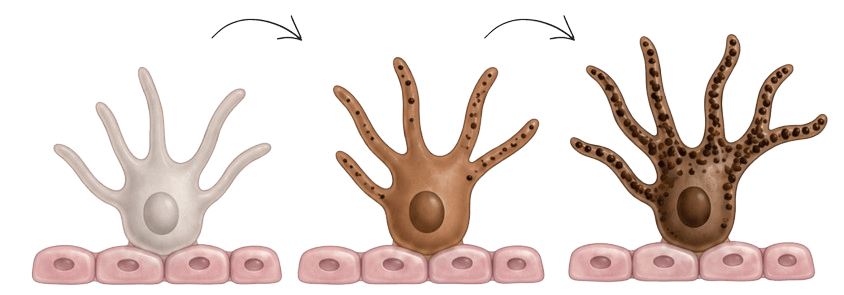
White patches aren't empty. In most of them the pigment cells are still there, dormant in the follicles.

Targeted LeXCi™ laser irradiation dosing is how we can safely wake them up.

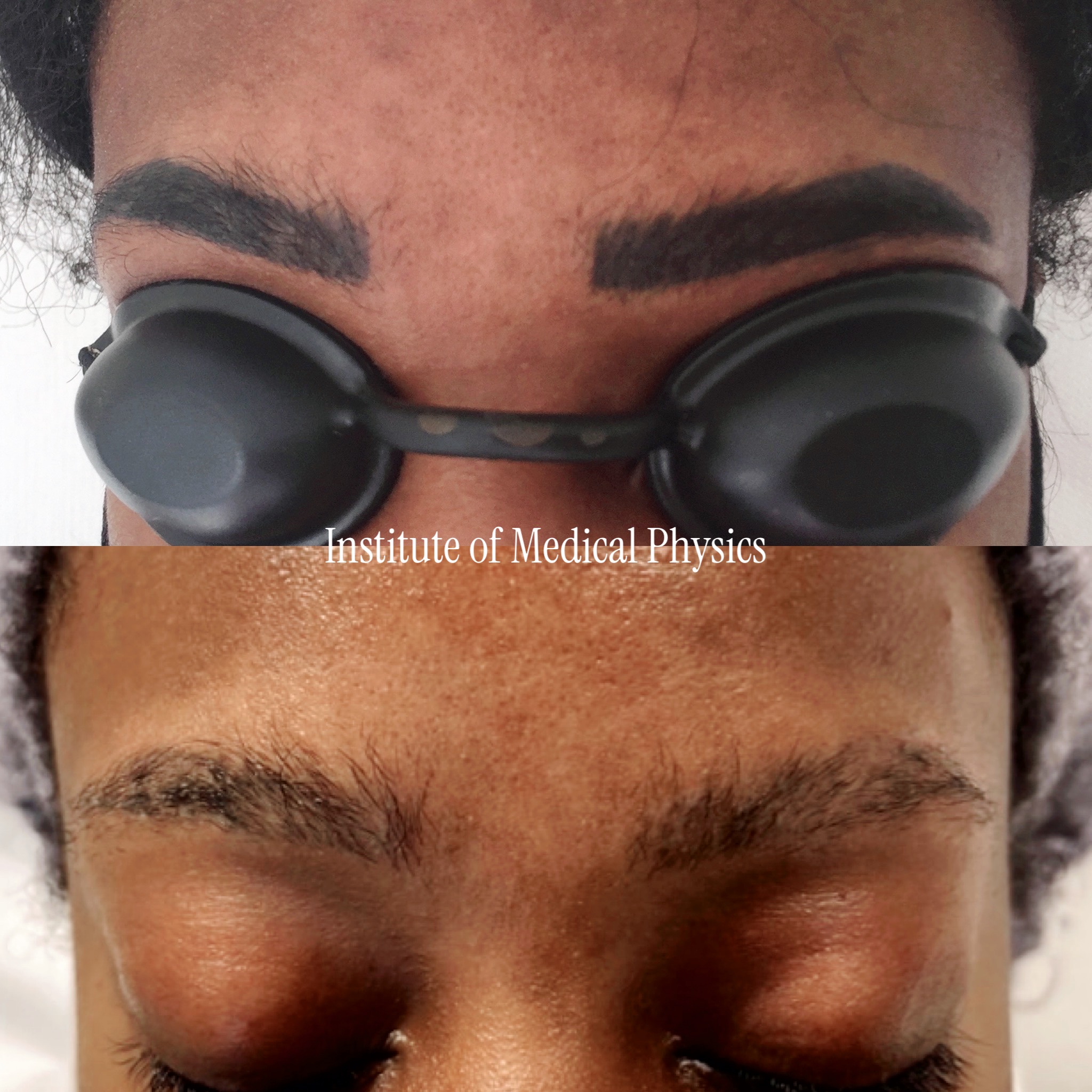
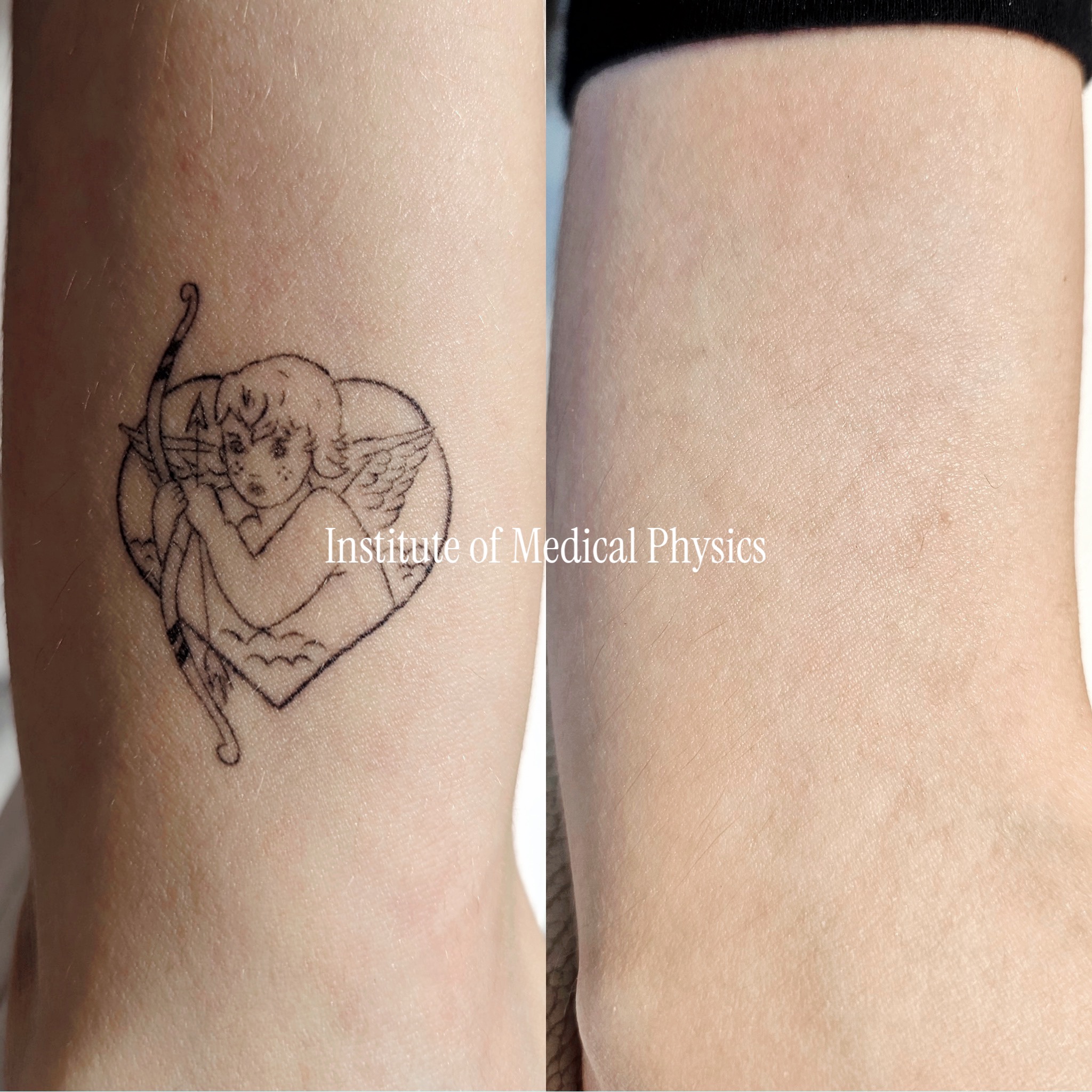
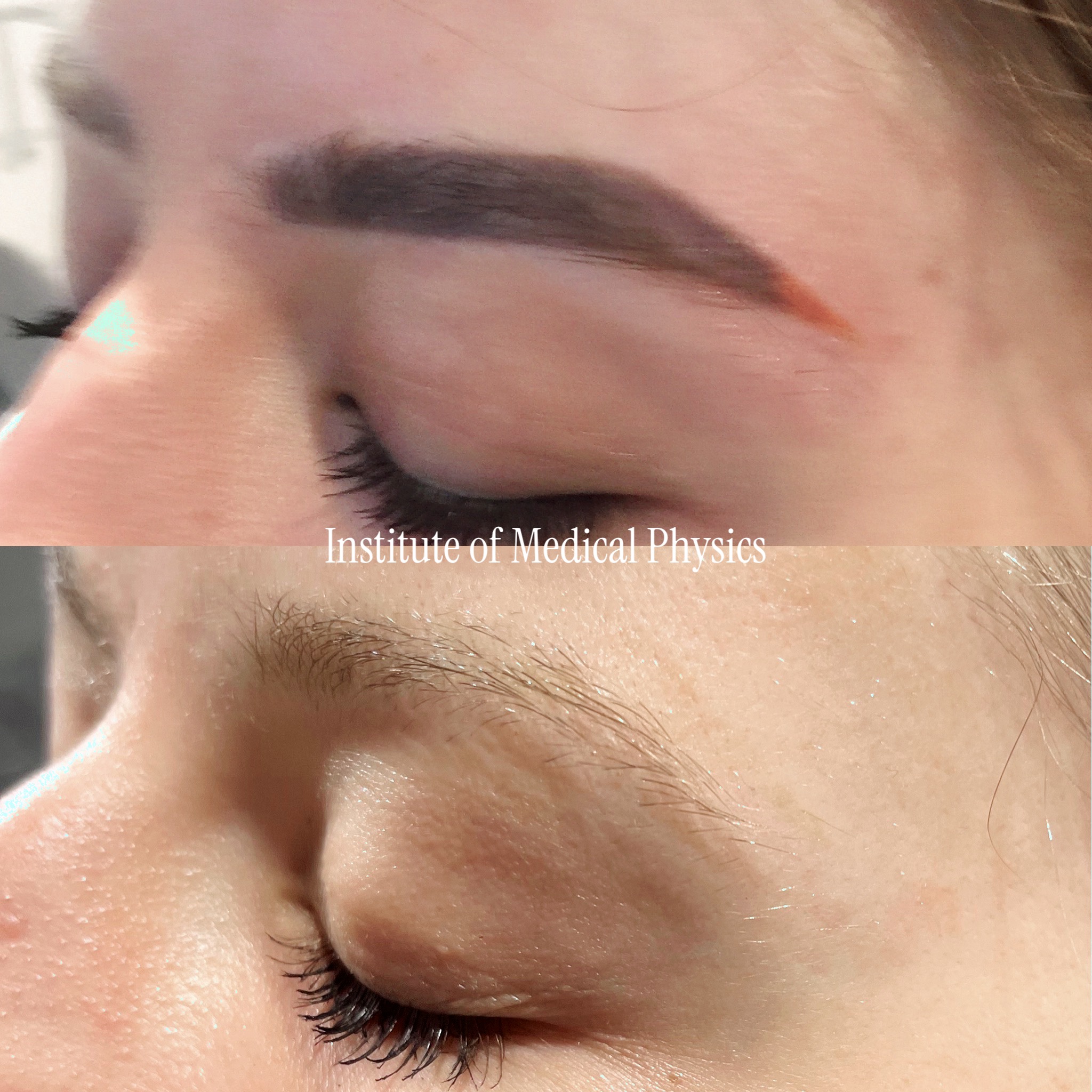
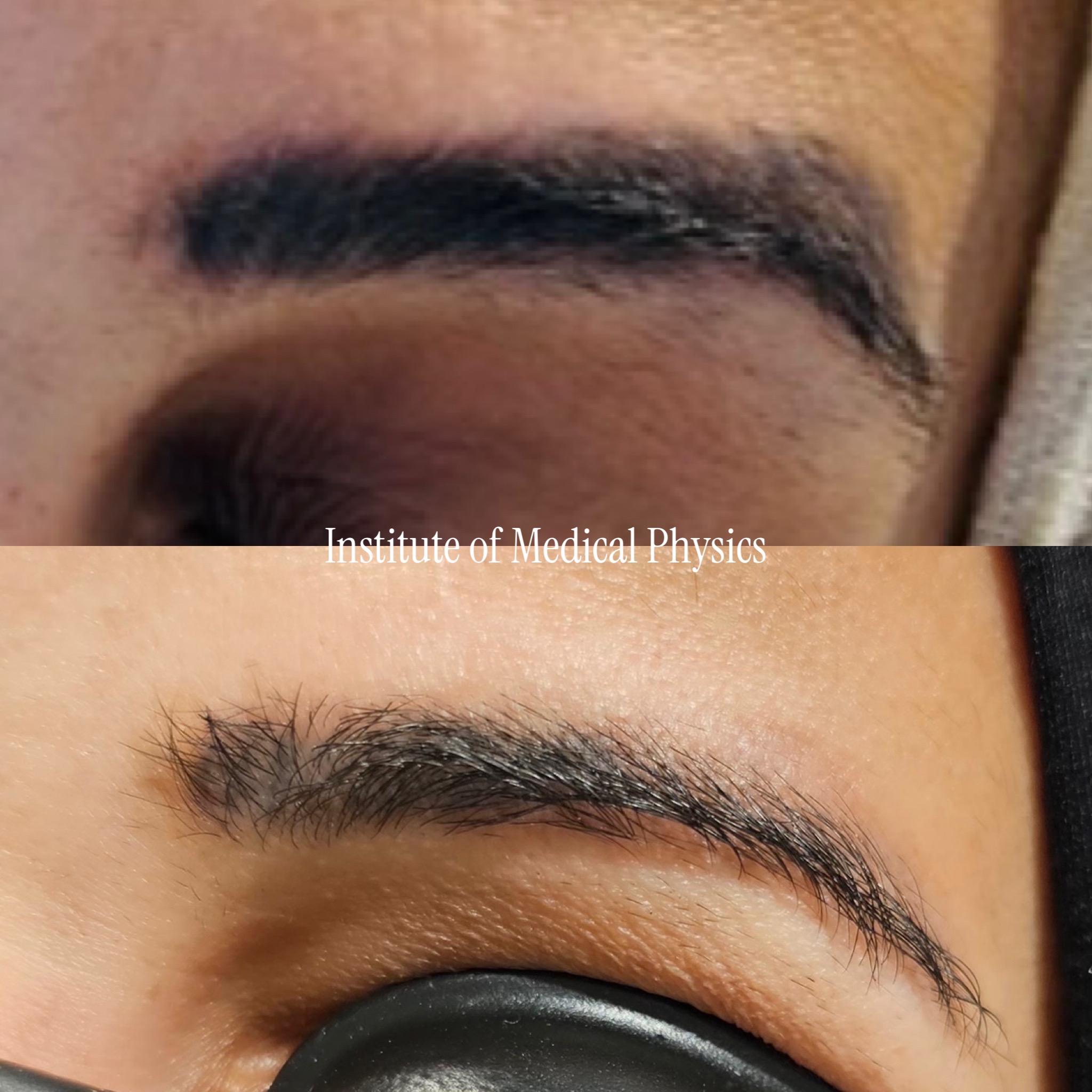
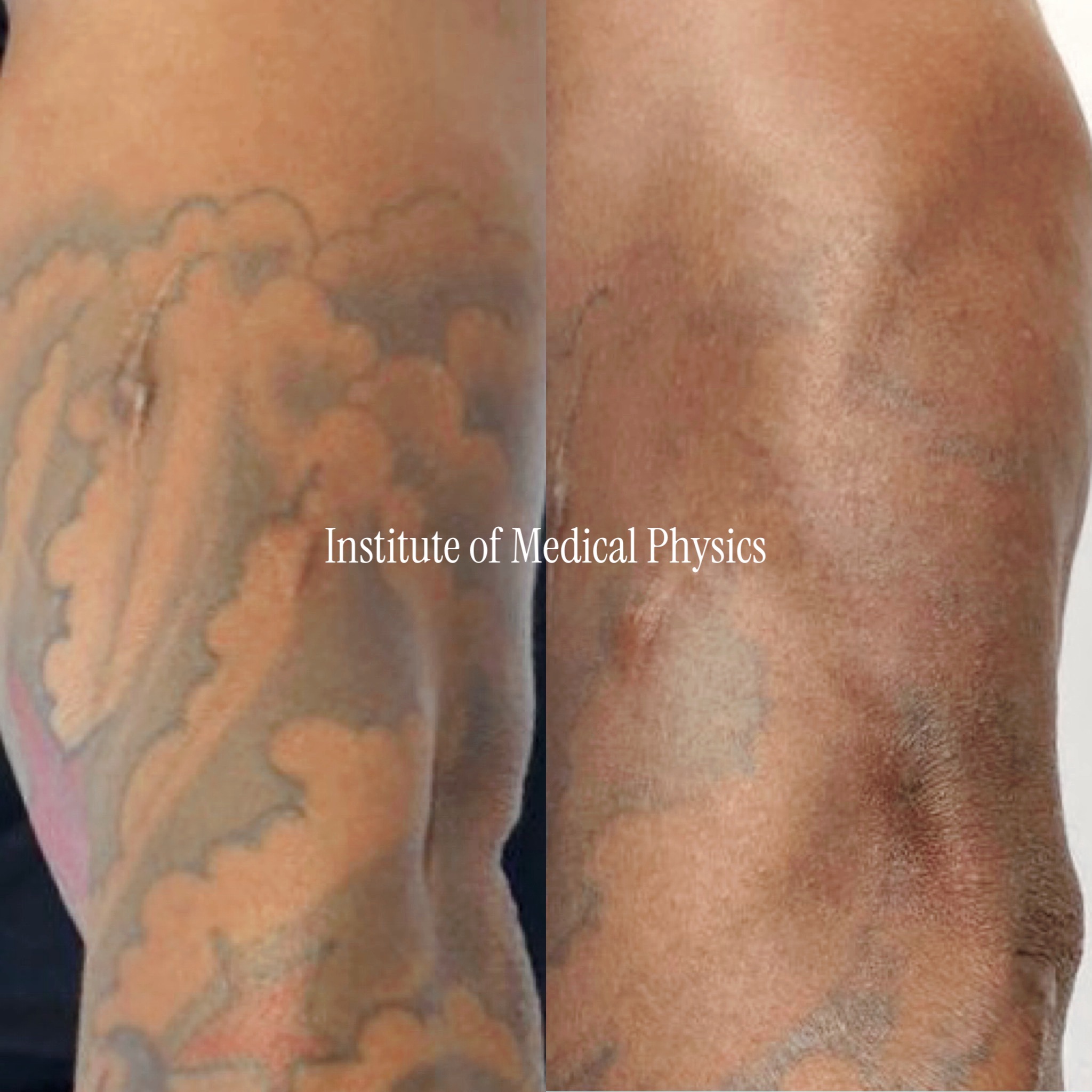
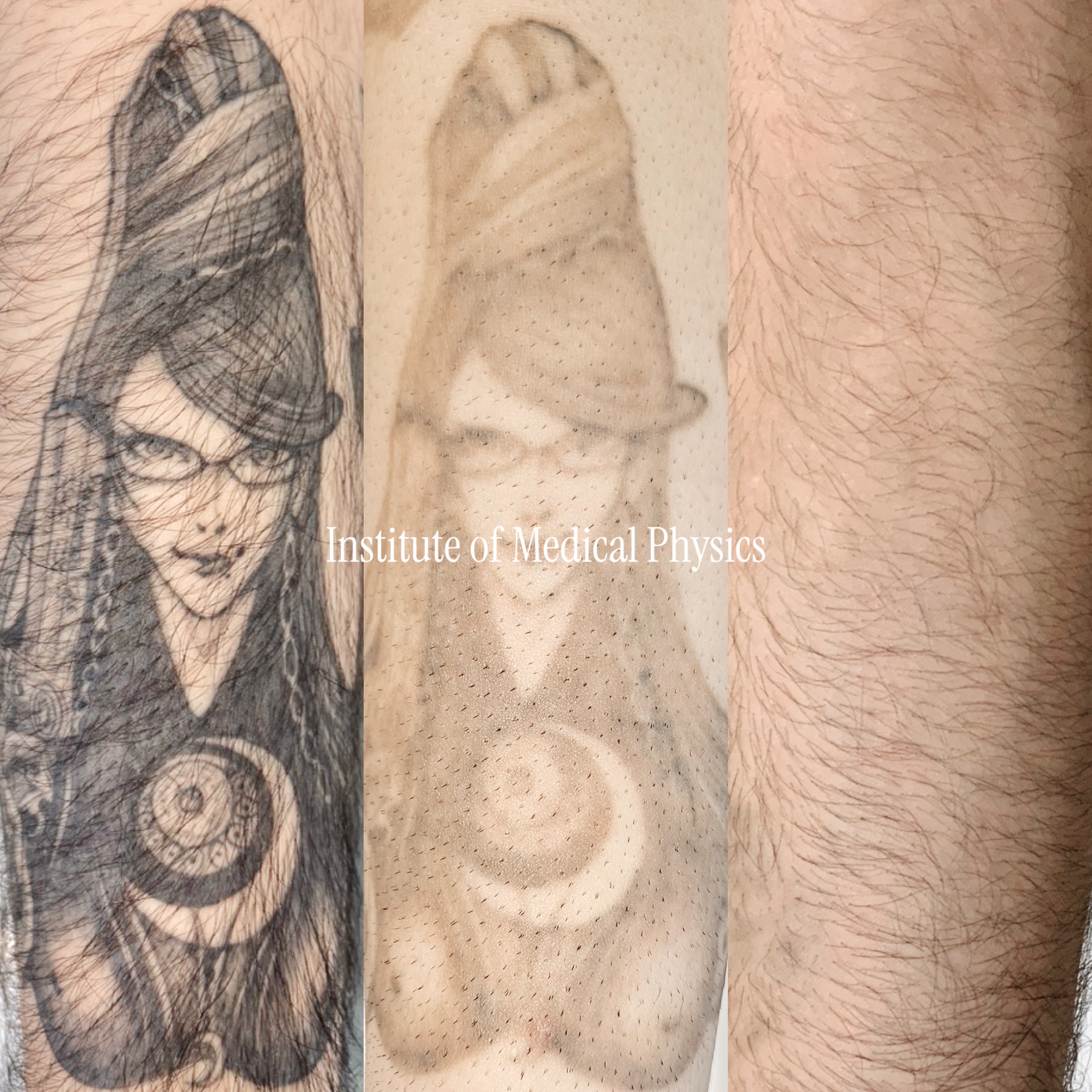
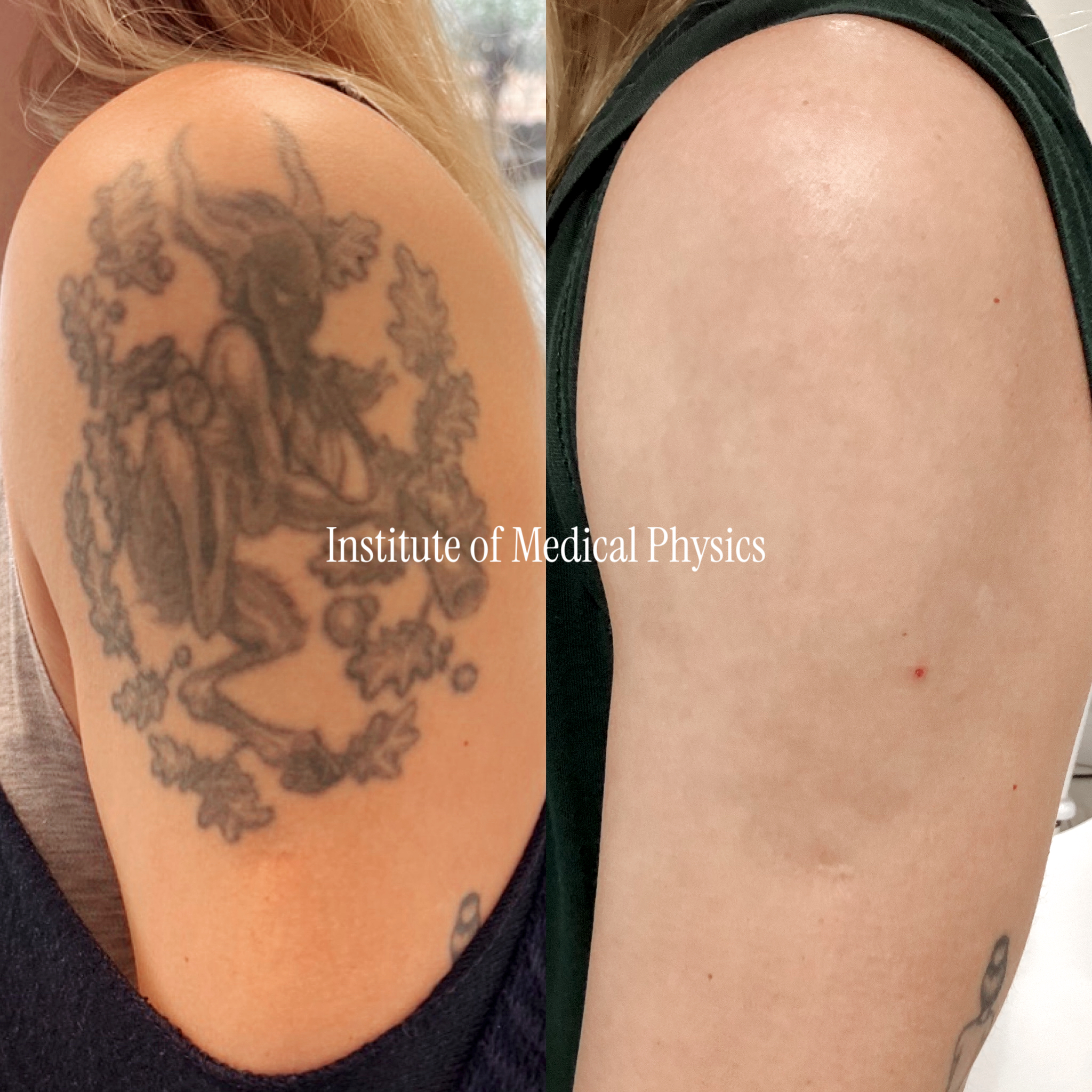
BEFORE
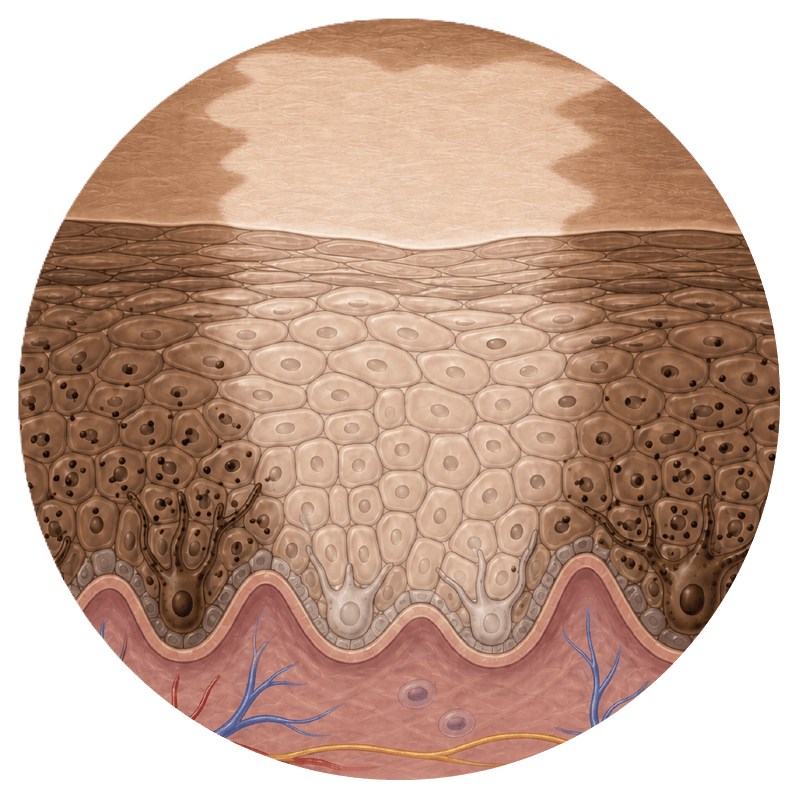
AFTER LeXCi™
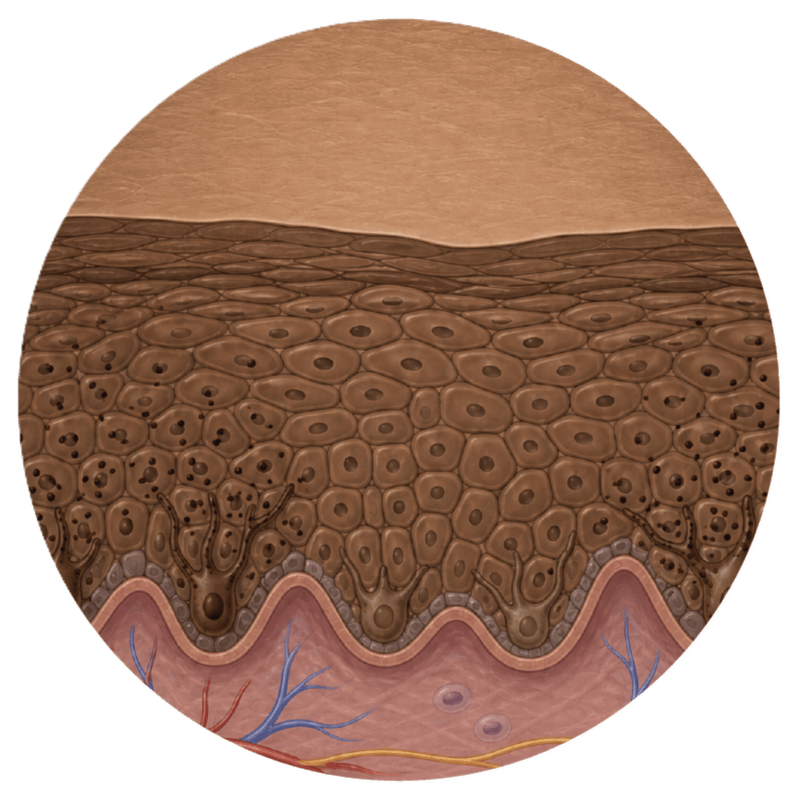
RESULTS

What regimentation
actually looks like

Colour returns as freckle-like dots around each hair follicle,
which spread and join up over months.

FREQUENTLY ASKED

Will it work on your patches?

Not every white patch responds, and it would be easy for us not to tell you that. Response depends almost entirely on whether pigment cells survive in the area — which comes down to hair follicles.

RESPONDS WELL
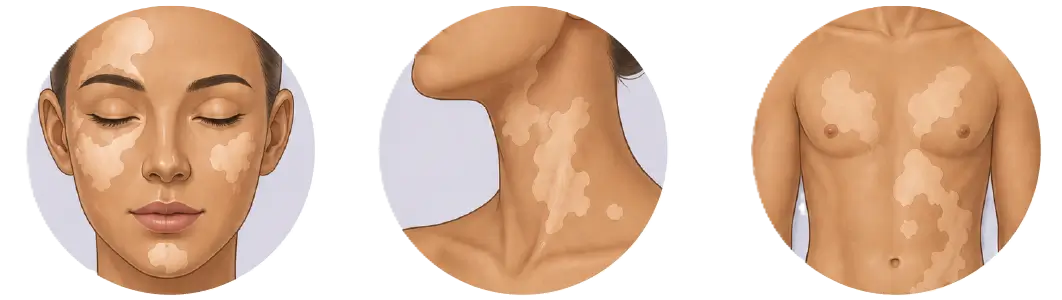
Densely follicled skin with a large reservoir of pigment cells. Vitiligo on the face and neck is the most responsive presentation we treat, particularly patches under two years old.

RESPONDS, BUT SLOWER
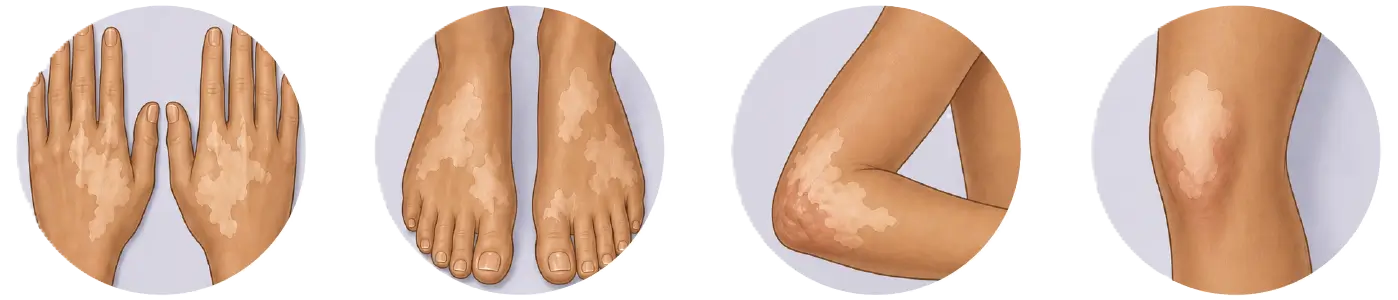
Fewer follicles and thicker skin, so repigmentation starts later and fills in more gradually. These areas usually need the full session allowance and patience through the first two months.

UNLIKELY TO RESPOND
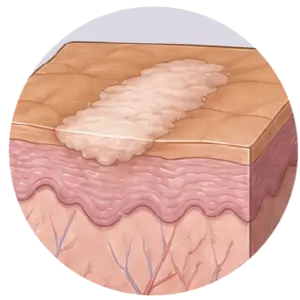
Where a burn or injury has destroyed the follicles outright, there is no reservoir to draw from and LeXCi™ has nothing to stimulate. We will tell you this at assessment rather than sell you a course.

MECHANISM OF ACTION

How Does LeXCi™ Resurrect Melanocytes?
Dr. Saif Chatoo

MBBCh B.Sc

🔇 Tap play for sound

THE REPIGMENATION PROCESS

From first visit to first colour

Macro & Sub
Dermal Imaging

We scan beneath your skin — seeing ink depth, density, tissue variation and scarring invisible to the eye.

Patch Testing &
Dose Calibration

Our doctors select the exact Phantom™ systems needed for your tattoo. Not a standard protocol — yours.

Treatment. Adapted At Every Session

Every session adapted in real time. When the ink changes, the protocol changes. Because no two tattoos — or two patients — respond the same way.

Repigmentation.
As Promised.

This is what happens when the right technology meets the right clinical expertise. Gone. As guaranteed.

One Price
Every Session Included

Priced by treatment area. If your patches need more
treatment, that's covered up to 24 sessions.

Small
up to 50cm²
£
2,200.00
Medium
between 51 - 100cm²
£
3,025.00
Large
between 101 - 150cm²
£
3,850.00
Extra Large
more than 151cm²
From £
4,025.00

THE DOCTORS

You're treated by the people who built the technology
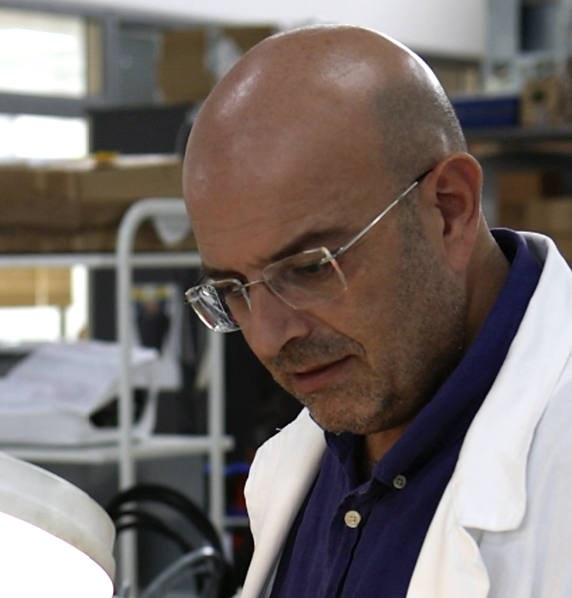
Dr Emanuel Paleco

Dr. Emanuel Paleco

The Biophysicist who designed LeXCi™ — Quantum Nuclear Engineering. 30+ years in laser science. Has trained over 10,000 physicians globally.

Dr. Saif Chatoo

NHS physician at the Royal Free Hospital. HonoraryResearch Contract, UCL. GMC registered: 8010191 —verifiable on the GMC register.

Dr. Nikarika Prem

MSc Clinical Dermatology, King's College London. Clinical training at Guy's & St. Thomas' and St. John's Institute of Dermatology.

Popular Questions

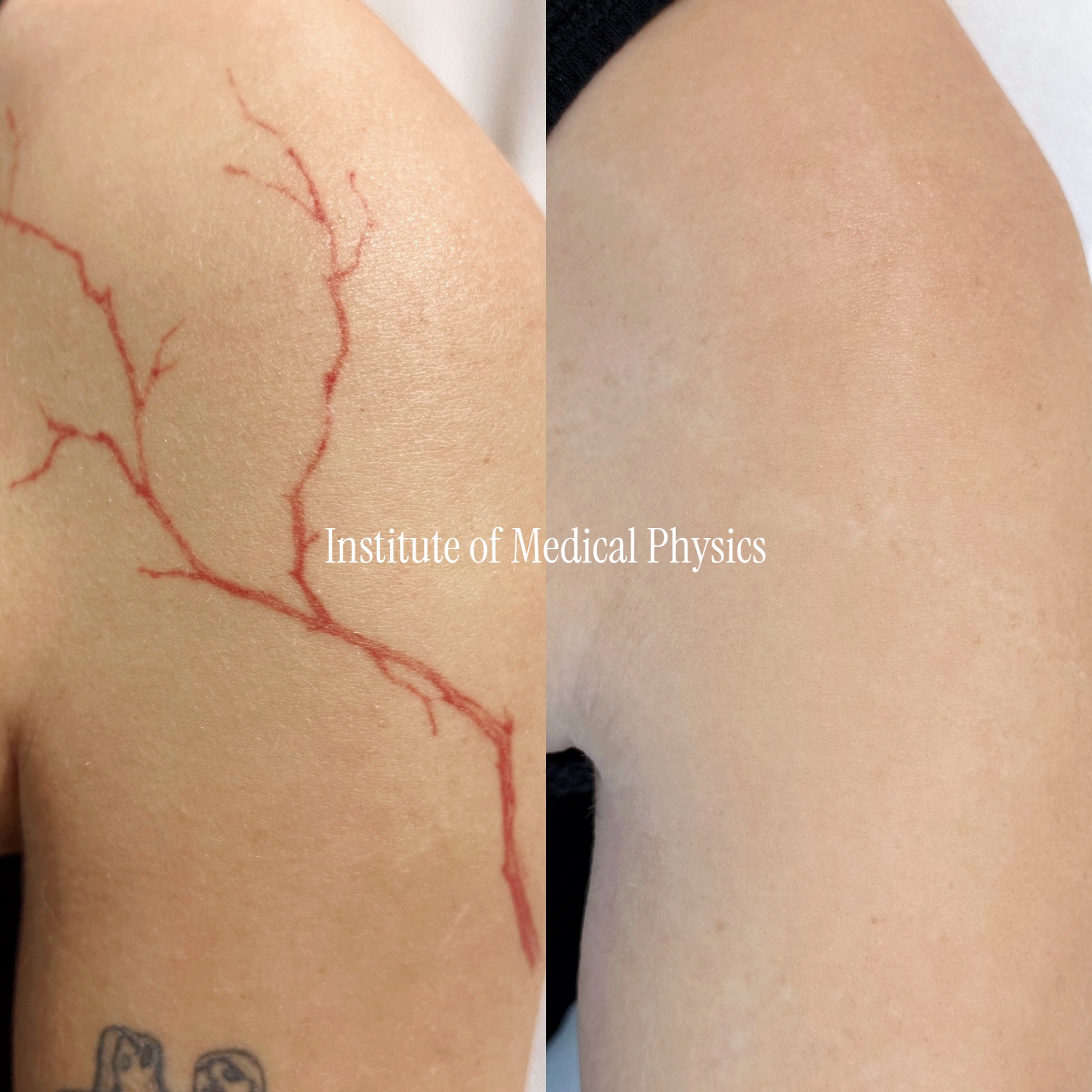
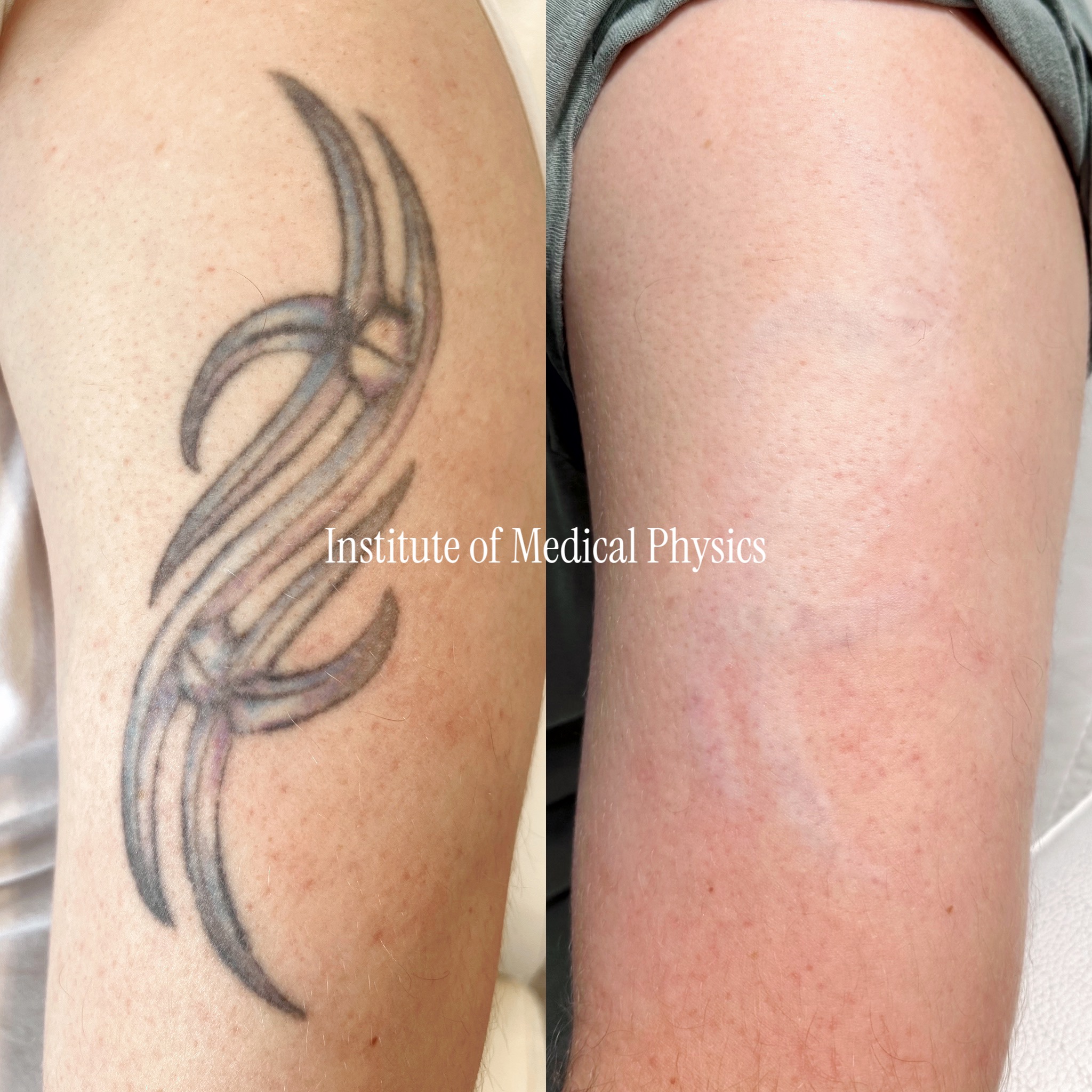
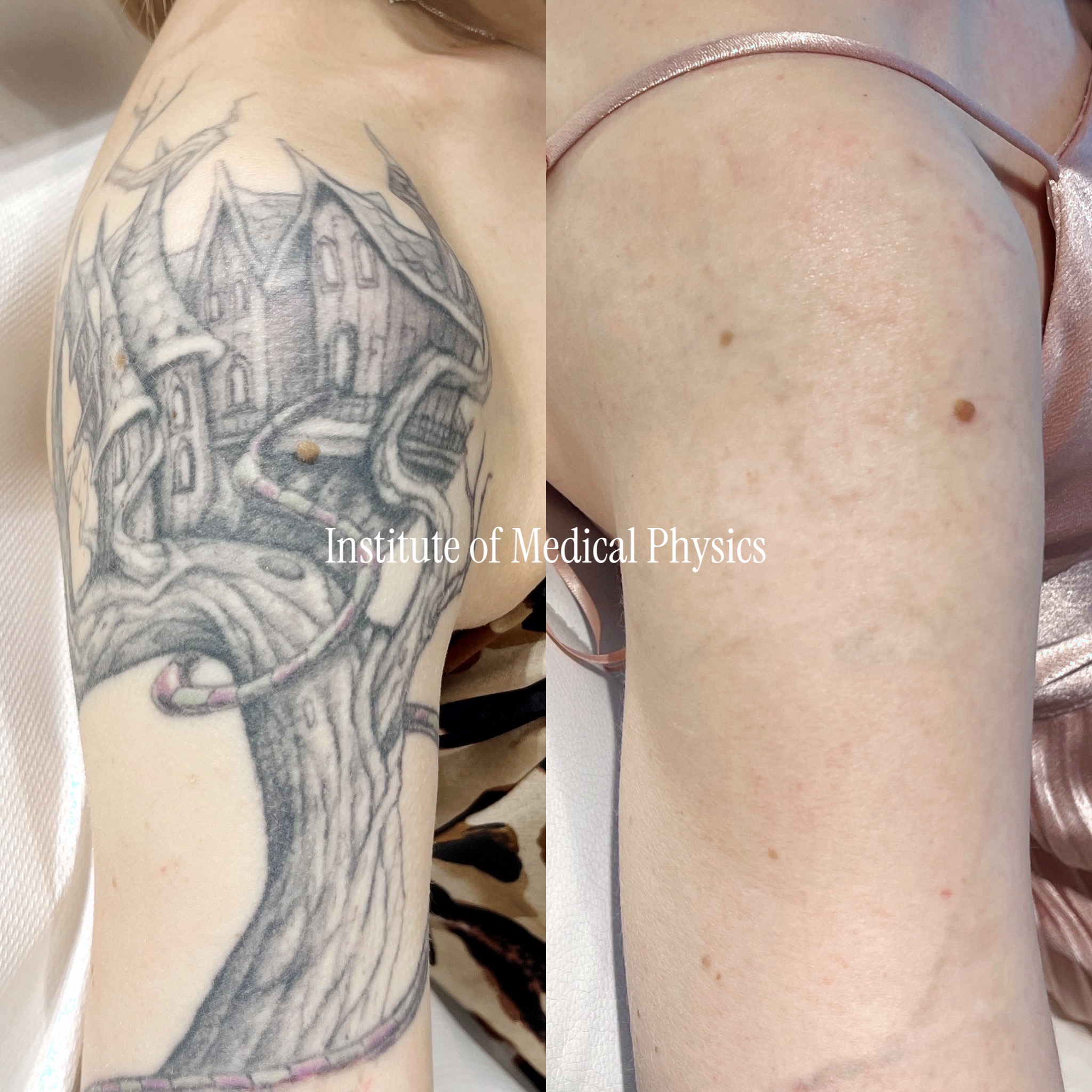
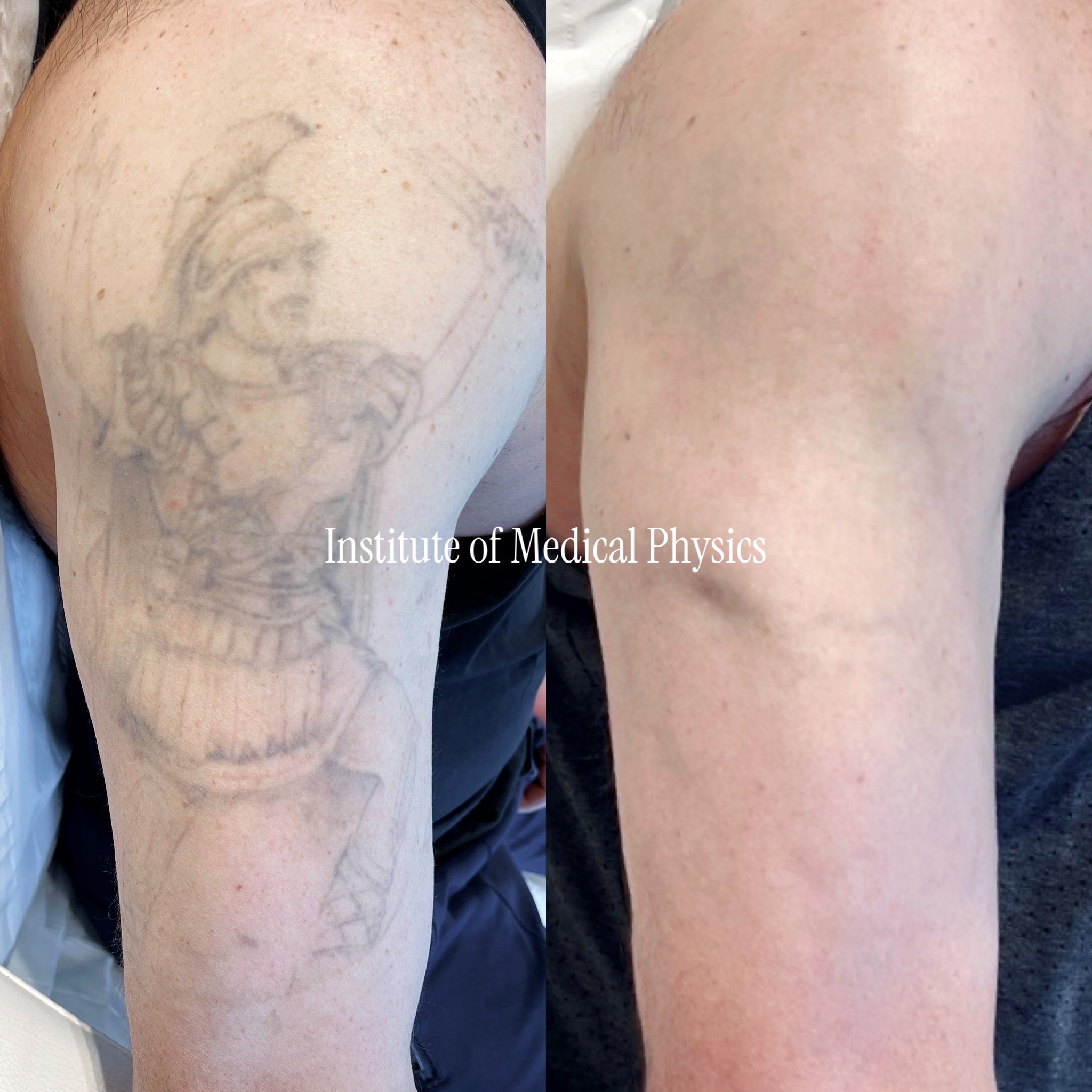
How does Laser Tattoo Removal actually work?

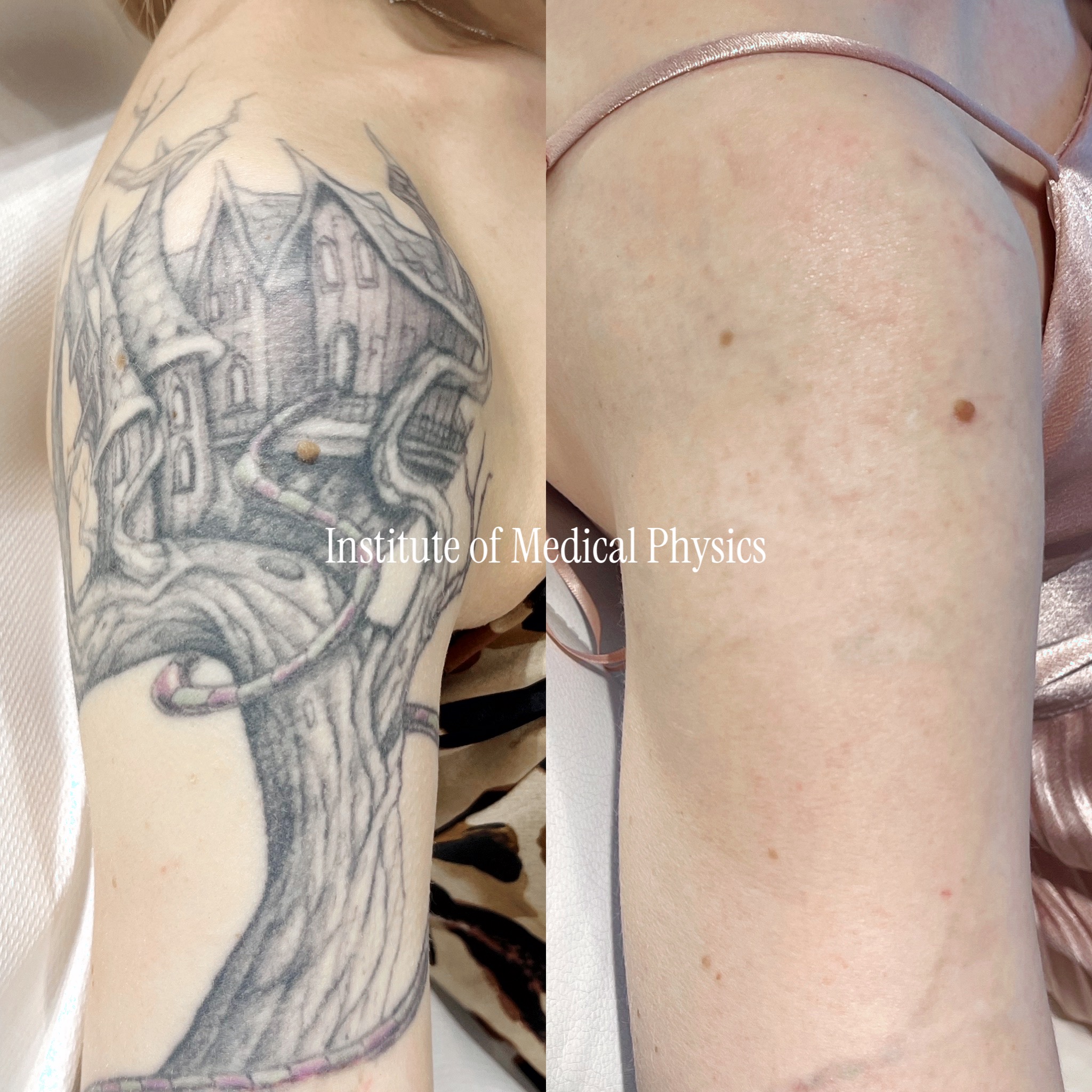
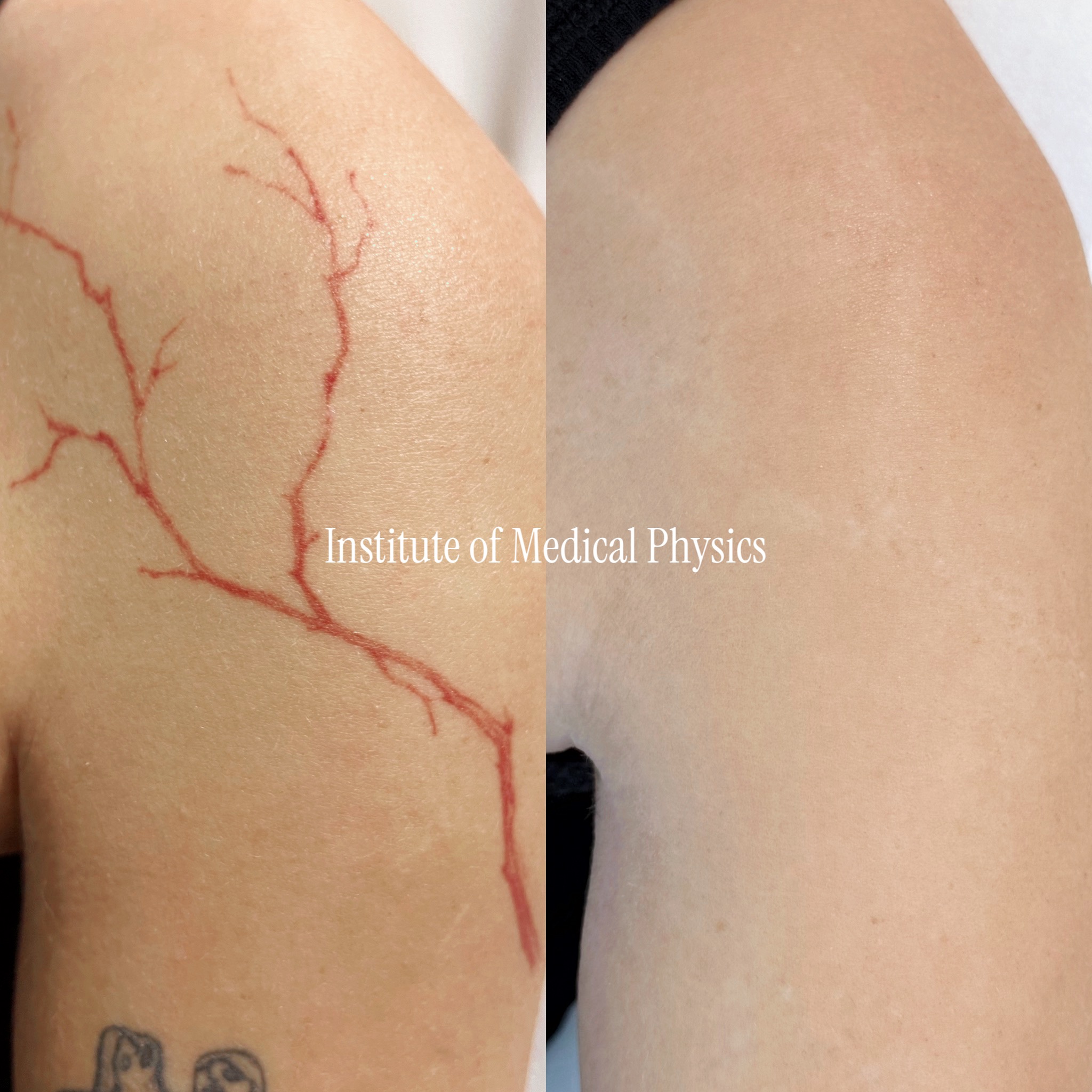
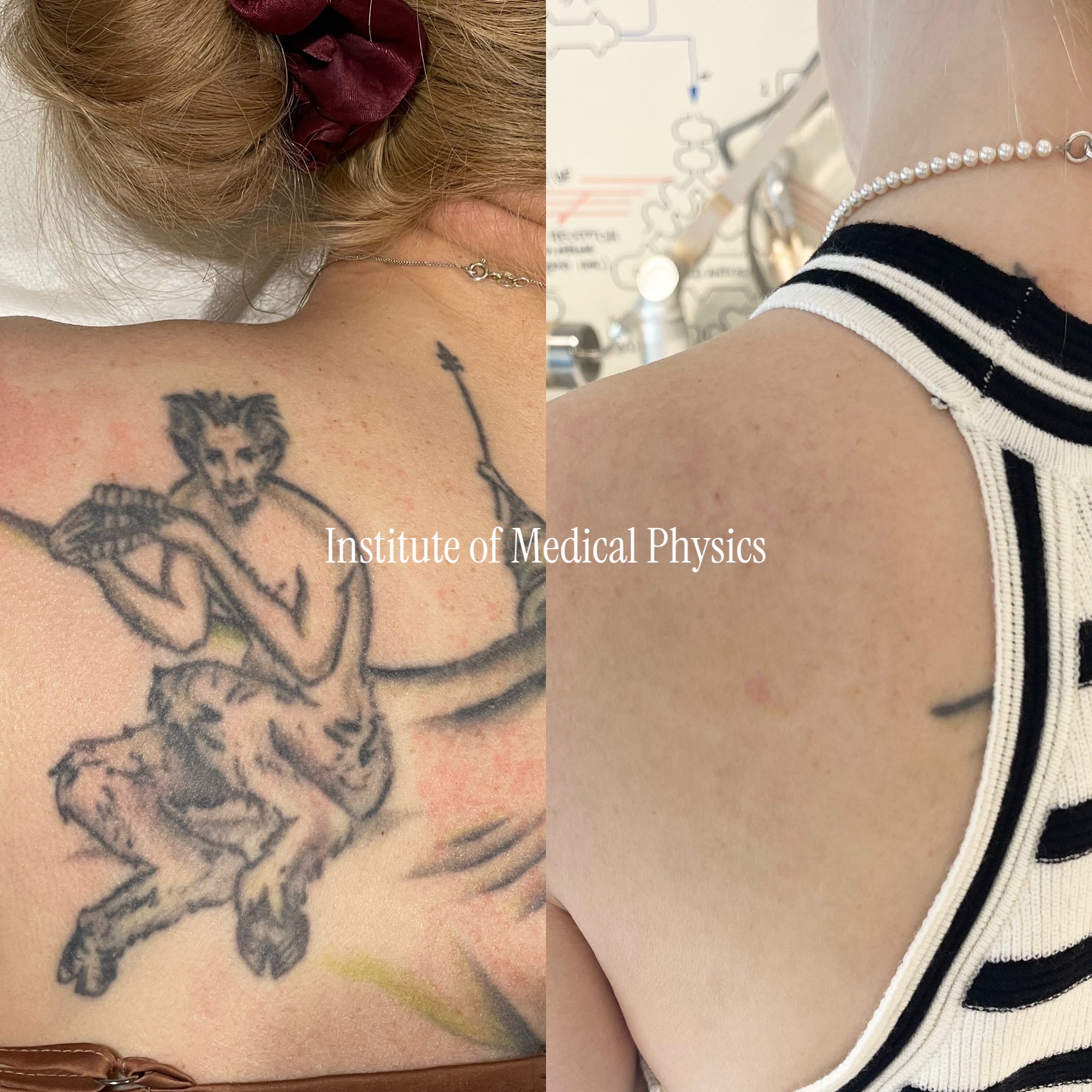
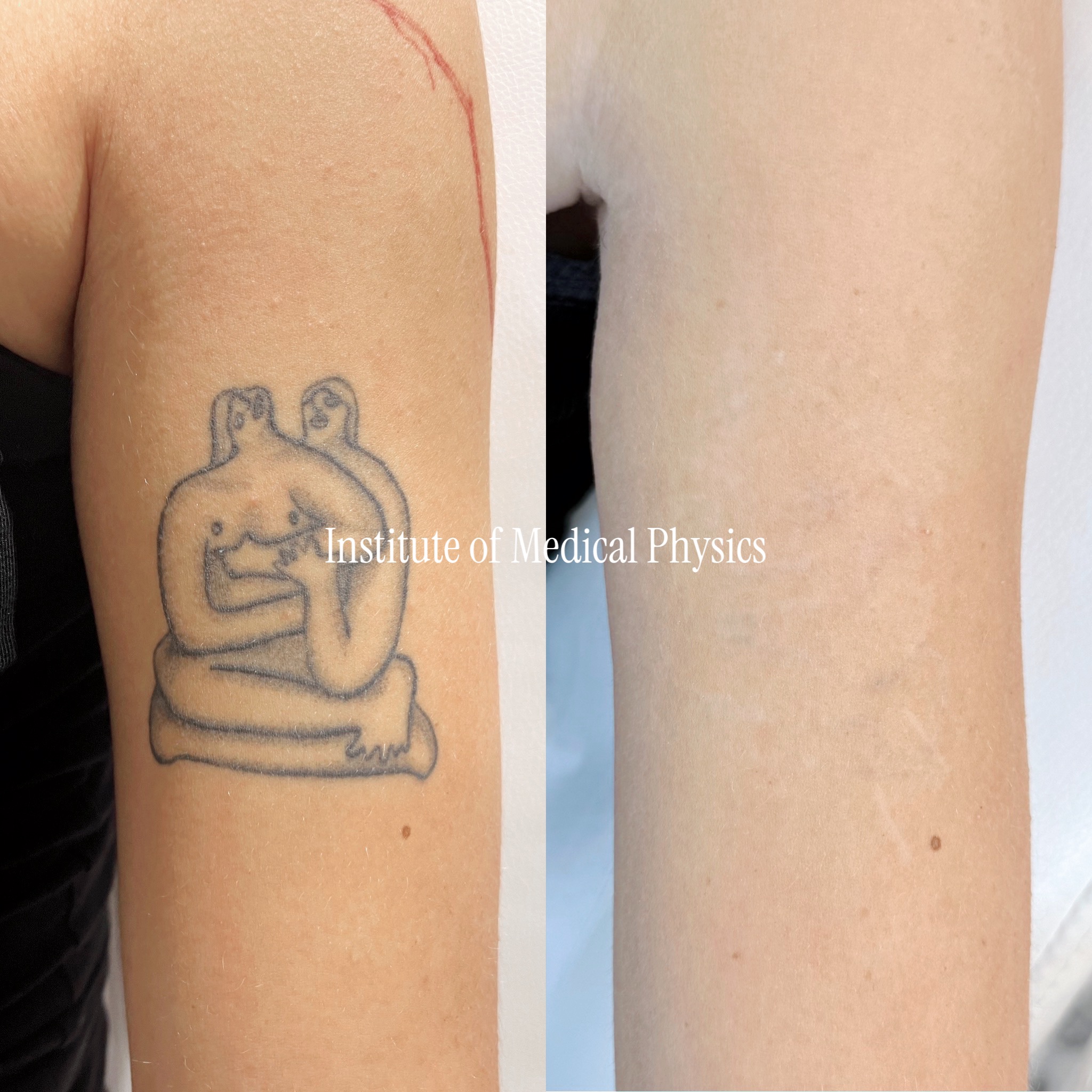
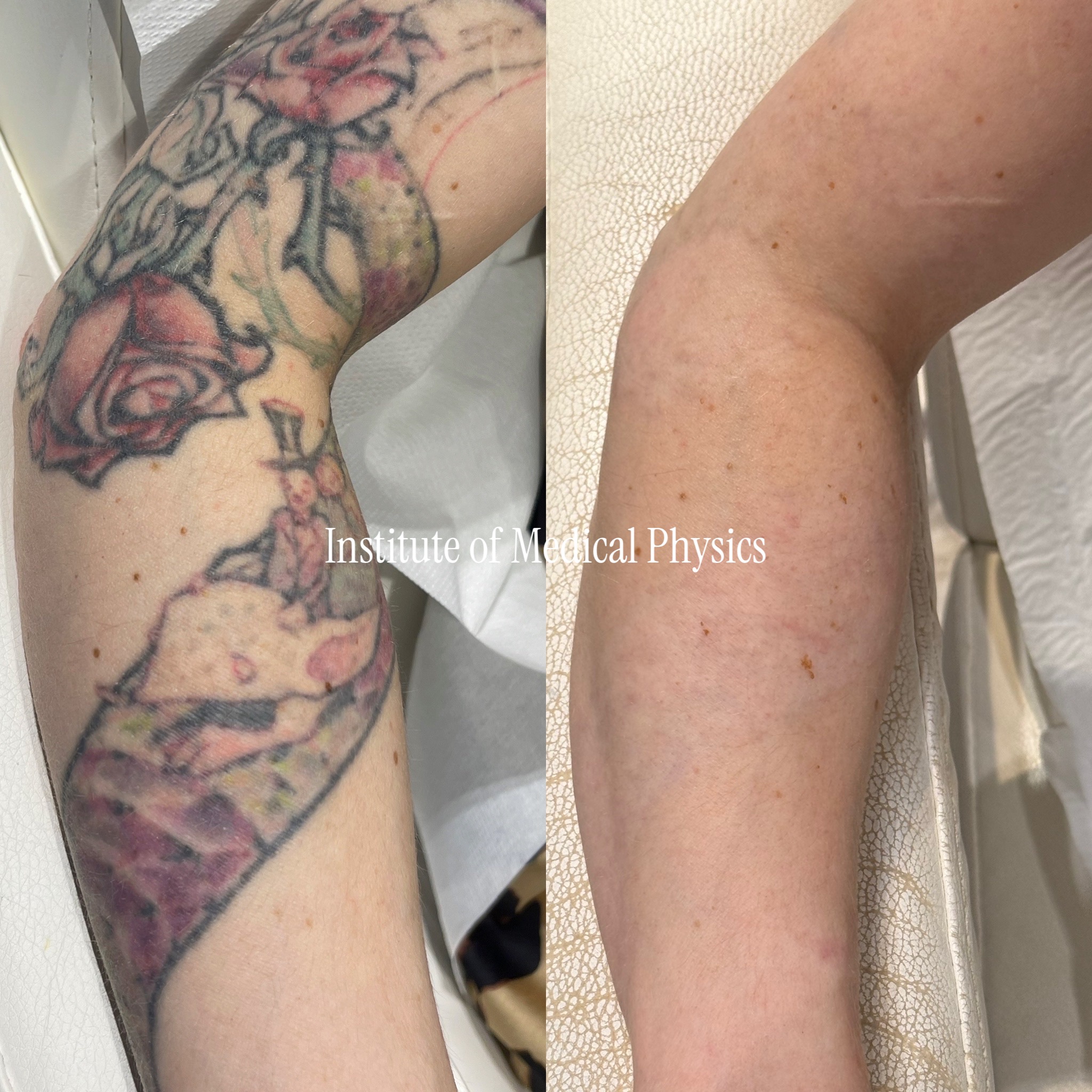
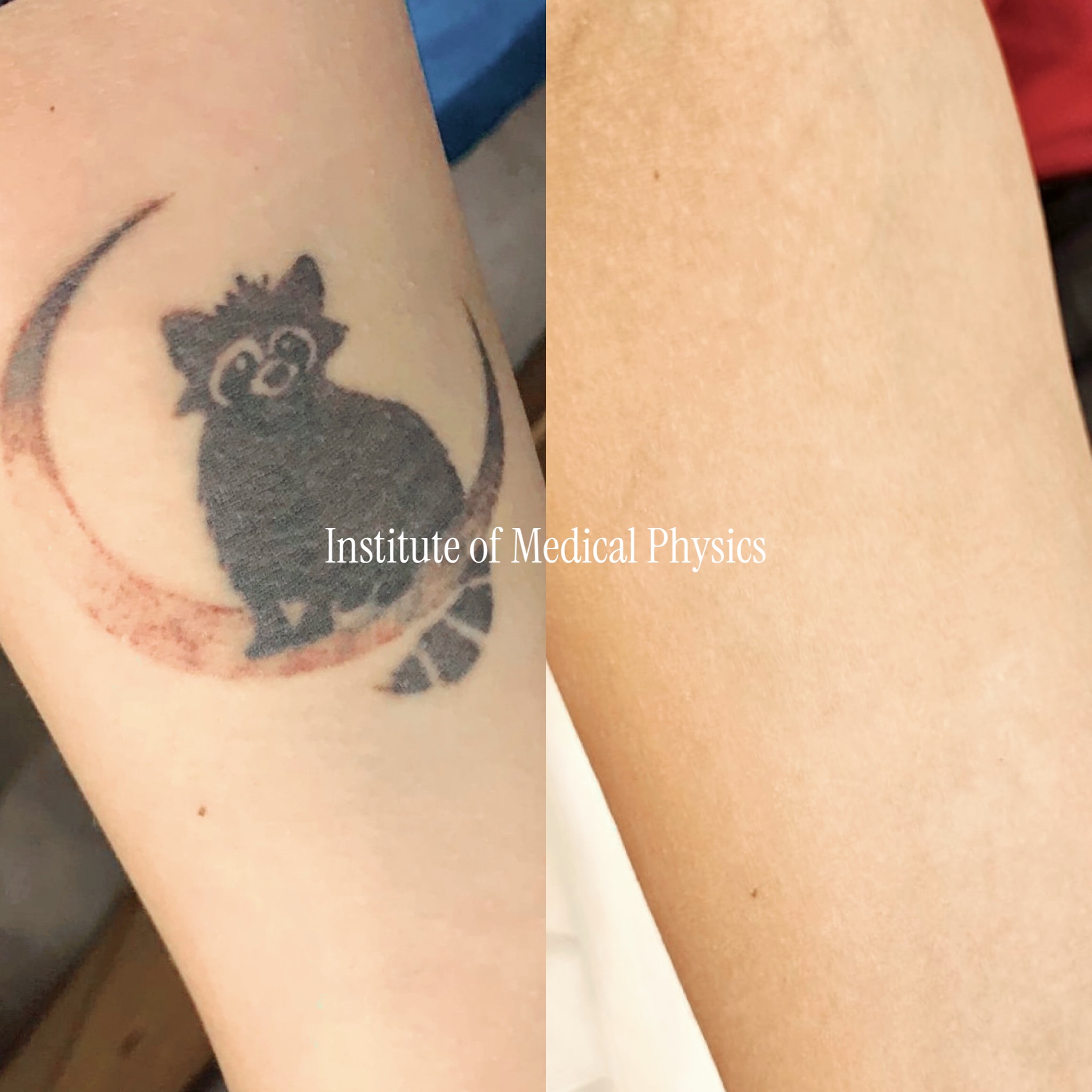
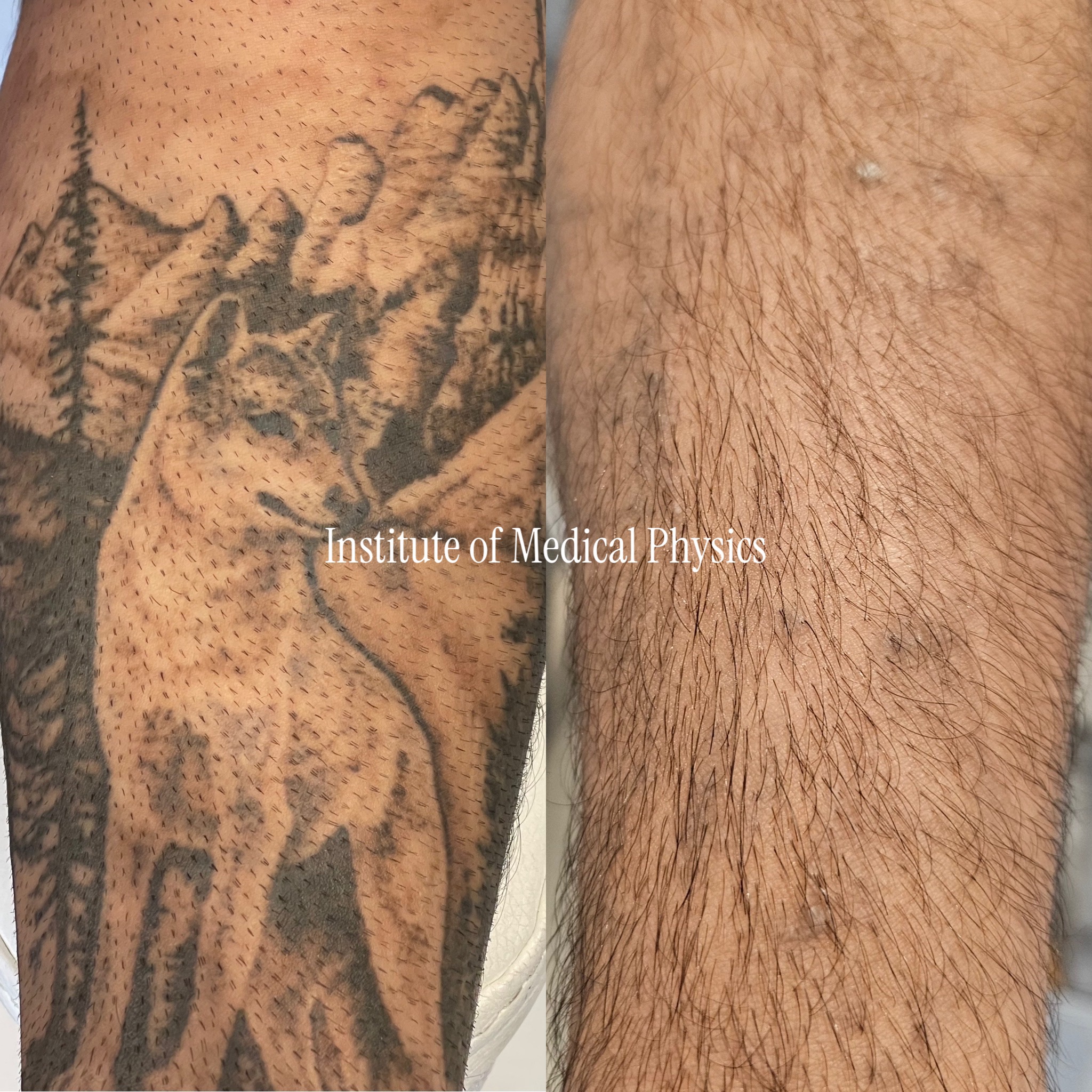
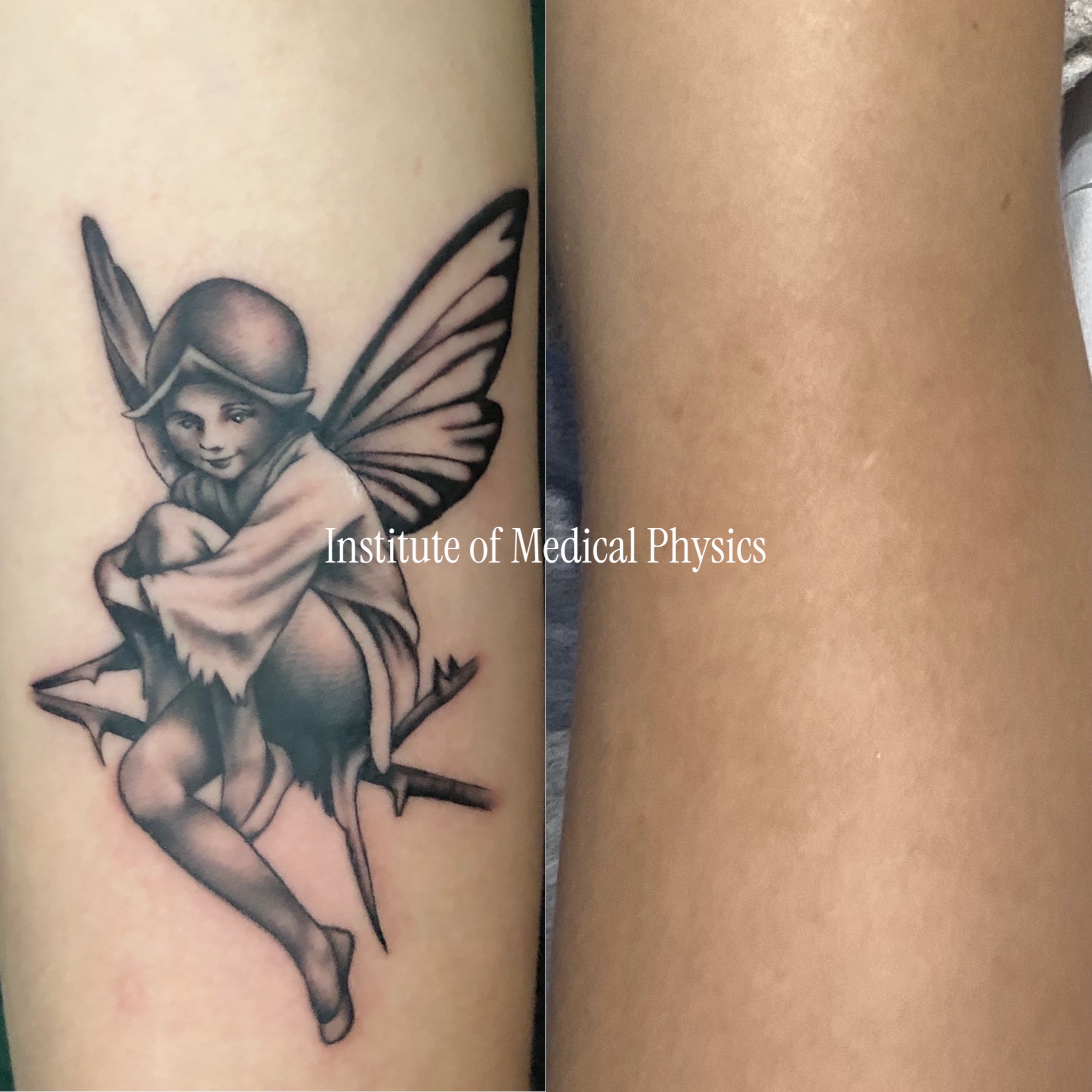
Tattoo ink is deposited in the dermis — approximately 1.5 to 2 millimetres beneath the skin's surface — by a tattoo needle puncturing the epidermis thousands of times per minute. The dermis doesn't regenerate the way the epidermis does, which is why tattoos are permanent without intervention. Laser removal works on the principle of selective photothermolysis, first described at Harvard Medical School in 1983: a wavelength of light is selected that is absorbed by the ink particle but passes through the surrounding tissue. At Phantom™'s fastest pulse duration of 200 picoseconds — 200 trillionths of a second — the energy is deposited so rapidly that the ink particle expands instantaneously, generating a photoacoustic pressure wave that shatters it into fragments small enough for macrophages to engulf and transport away through the lymphatic system. This immune clearance process happens between sessions. The quality of that clearance — and how much it's stimulated — is what separates a 6-session course from a 20-session one.

How does Laser Tattoo Removal actually work?

Tattoo ink is deposited in the dermis — approximately 1.5 to 2 millimetres beneath the skin's surface — by a tattoo needle puncturing the epidermis thousands of times per minute. The dermis doesn't regenerate the way the epidermis does, which is why tattoos are permanent without intervention. Laser removal works on the principle of selective photothermolysis, first described at Harvard Medical School in 1983: a wavelength of light is selected that is absorbed by the ink particle but passes through the surrounding tissue. At Phantom™'s fastest pulse duration of 200 picoseconds — 200 trillionths of a second — the energy is deposited so rapidly that the ink particle expands instantaneously, generating a photoacoustic pressure wave that shatters it into fragments small enough for macrophages to engulf and transport away through the lymphatic system. This immune clearance process happens between sessions. The quality of that clearance — and how much it's stimulated — is what separates a 6-session course from a 20-session one.

How does Laser Tattoo Removal actually work?

Tattoo ink is deposited in the dermis — approximately 1.5 to 2 millimetres beneath the skin's surface — by a tattoo needle puncturing the epidermis thousands of times per minute. The dermis doesn't regenerate the way the epidermis does, which is why tattoos are permanent without intervention. Laser removal works on the principle of selective photothermolysis, first described at Harvard Medical School in 1983: a wavelength of light is selected that is absorbed by the ink particle but passes through the surrounding tissue. At Phantom™'s fastest pulse duration of 200 picoseconds — 200 trillionths of a second — the energy is deposited so rapidly that the ink particle expands instantaneously, generating a photoacoustic pressure wave that shatters it into fragments small enough for macrophages to engulf and transport away through the lymphatic system. This immune clearance process happens between sessions. The quality of that clearance — and how much it's stimulated — is what separates a 6-session course from a 20-session one.

How does Laser Tattoo Removal actually work?

Tattoo ink is deposited in the dermis — approximately 1.5 to 2 millimetres beneath the skin's surface — by a tattoo needle puncturing the epidermis thousands of times per minute. The dermis doesn't regenerate the way the epidermis does, which is why tattoos are permanent without intervention. Laser removal works on the principle of selective photothermolysis, first described at Harvard Medical School in 1983: a wavelength of light is selected that is absorbed by the ink particle but passes through the surrounding tissue. At Phantom™'s fastest pulse duration of 200 picoseconds — 200 trillionths of a second — the energy is deposited so rapidly that the ink particle expands instantaneously, generating a photoacoustic pressure wave that shatters it into fragments small enough for macrophages to engulf and transport away through the lymphatic system. This immune clearance process happens between sessions. The quality of that clearance — and how much it's stimulated — is what separates a 6-session course from a 20-session one.

Learn More About Tattoo Removal in our Knowledge Base

We're No Ordinary Clinic

Our favourite place 🤍
Before it becomes a ‘treatment’… it starts here. #tattooremovalexperts #laserscience #aesthetics
Another day, another tattoo removal story 😌
Tattoos regret meets laser physics (& Dr Nikarika). Stay tuned to see the results of this case.
Small guest list. Big wavelengths. 👀
From institute-led research to first clinical use. Dr Emanuel Paleco builds it. Dr Saif Chatoo delivers it. Sundays at the Institute look a little different.
While Dr Saif holds down the clinic in London, Big Boss and Little Boss
Behind every flawless result is meticulous planning, peer review, and two doctors who never stop watching (yes, even when you don’t see them). 👀⚗️
CERO² ™ / Compromise: Zero. Results: Squared. We built CERO² ™ to solve a fundamental problem. Because somewhere between CO₂ and erbium, the science of skin resurfacing got lazy.
Exterior view of the clinic building

Institute of Medical Physics
199 Kings Cross Road,
London,
WC1X 9DB

Kings Cross St. Pancras
(3 minutes walk)

London Euston
(8 minutes walk)